
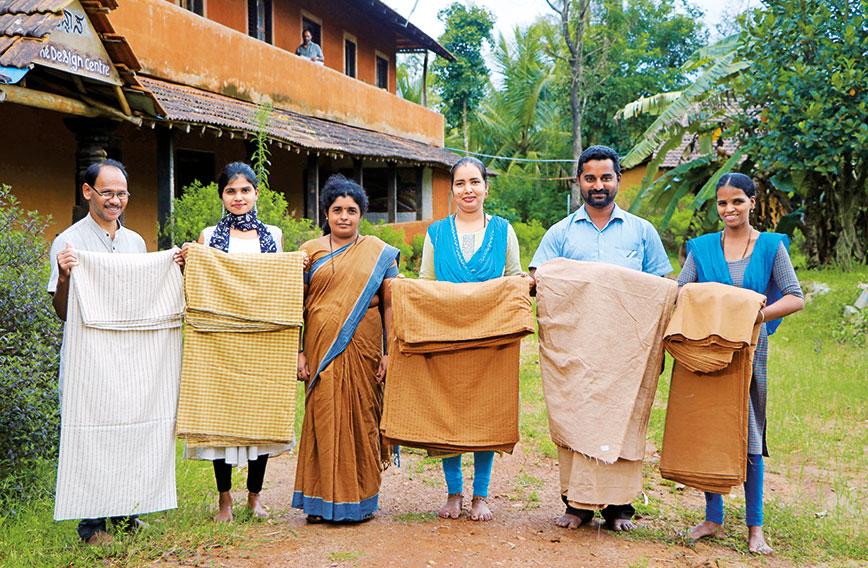


THE betel nut has a terrible reputation. As a part of paan spittle it is associated with disgusting red stains in public spaces. Chewed on its own it is linked to oral cancers. But far removed from its negative image, the betel nut has another and completely wholesome identity as well. Farmers in Karnataka have traditionally extracted from it a natural red dye. And over two decades ago, scientists found that the betel nut’s red could be used to develop a range of pleasing shades, pink in particular.
But despite such potential, the betel nut continues to languish. Could it possibly be a driver of higher rural incomes in a state like Karnataka where it is grown widely? Designers have been cottoning on — in India and, globally, from Turkey to Japan. It isn’t enough. Much more needs to be done to develop betel nut commercially and give it pole position for being organic and unique in the colour it yields.