
BACK TO SCHOOL / DILEEP RANJEKAR
Destroy the seeds of caste
My first visit to government schools was some time in 1998-99, even before the Azim Premji Foundation became operational. The schools, in one of the northern states, were in a highly deplorable condition. Broken walls, missing windows, leaky roofs, absence of a proper playground and free movement of pigs within
read more...
On a dangerous path
Back in 1998, I spotted boys and girls in their school uniforms, probably from Classes 8-9, frolicking with beer in a Bengaluru pub around lunchtime. It was a regular school day and, obviously, the students had bunked school to be in the pub. More important, they were not of the
read more...
Some genuine issues
The journey from Raipur to Dharamjaygarh block in Raigarh district of Chhattisgarh on a hot and dry April day seemed endless. The sun was blazing with all its might, announcing the arrival of summer. Leafless trees, a few paddy fields along the banks of the Mahanadi, the longest bridge in
read more...
Secular practices for schools
A few days ago, someone circulated a message titled ‘Calendar of Indian Festivals in 2019’ on WhatsApp. Out of sheer curiosity I took a closer look only to realise that it essentially listed just Hindu festivals and only one national holiday — Republic Day. The sender was a long-time friend
read more...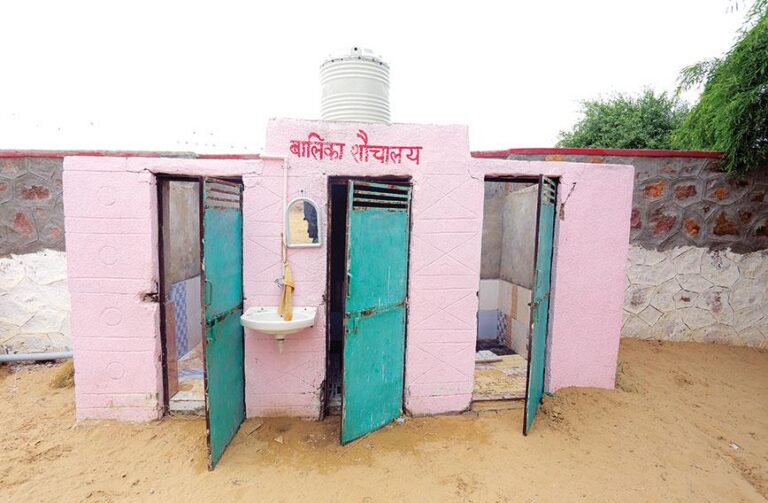
Fixing some fundamentals
When I was a child, a cousin posed a riddle to me. He asked: “How many rotis can you eat on an empty stomach?” I enthusiastically replied: “Seven rotis!” My cousin laughed wickedly and retorted: “Nobody can eat more than one roti on an empty stomach because after one roti, the stomach is no longer empty.” I
read more...
An unsecular education
For about 18 years of my working life I lived in an upscale Mumbai neighbourhood and my children grew up during this period. It was very convenient for us when they both secured admission in a so-called premium private school that was barely 300 metres from our house. They studied
read more...
Schools must teach social value
Last week I was in the historic city of Vijayapura (earlier Bijapur) after almost 15 years. The Azim Premji Foundation has a team of over 15 members based in the district. The neglected city of Bijapur probably has the highest density of monuments in India which include the world famous
read more...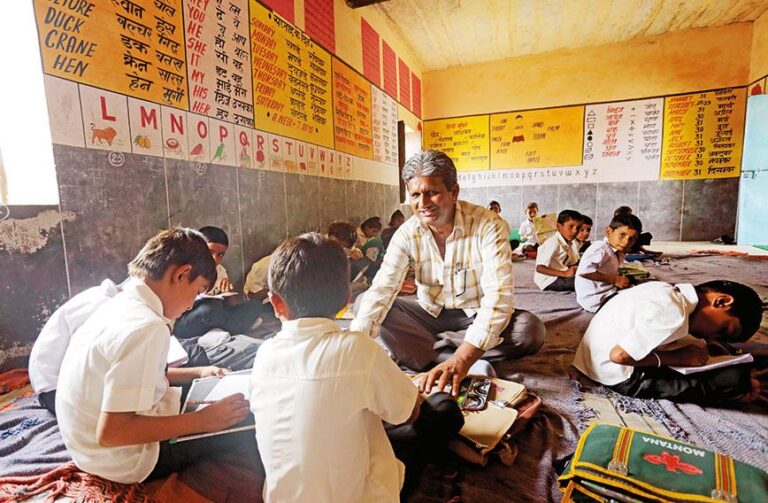
School official with no power
I was excited to visit this Model Senior Secondary Government School in one of the blocks in Rajasthan because a colleague from the Azim Premji Foundation was holding a discussion with a group of teachers on a subject that combined several issues in science and social science. This is typical
read more...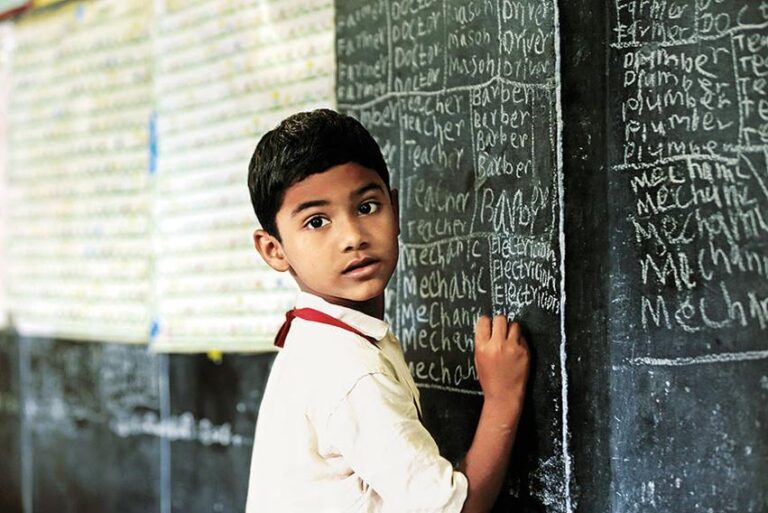
Chasing the English dream
On my way to Hyderabad airport, around 35-40 kilometres from Gulbarga, I spent time interacting with government school teachers at the Teacher Learning Centre of the Azim Premji Foundation run by a young post-graduate from Azim Premji University. The centre was barely three months old and was focussed on developing
read more...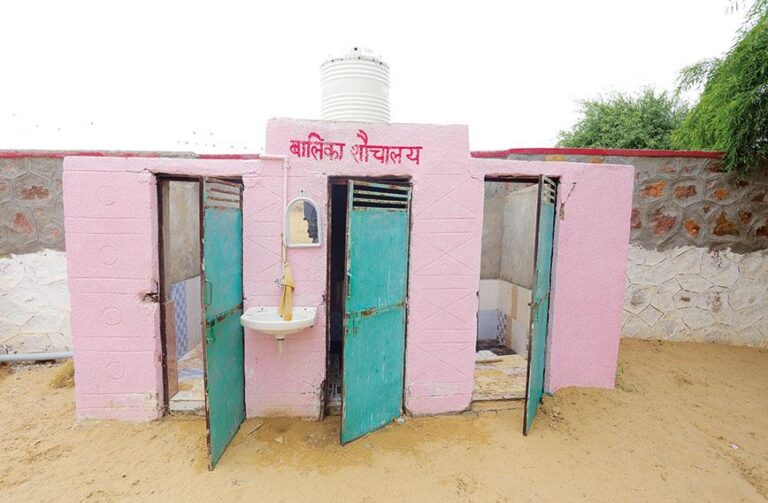
The story of toilets and schools
After landing at Jodhpur airport, I proceeded directly to the ‘Event with Teachers from 15 schools in the Cluster’ with my colleagues in the district. By the time we left the venue of the event, it was 7 pm. The journey to the district headquarters was around three hours. In
read more...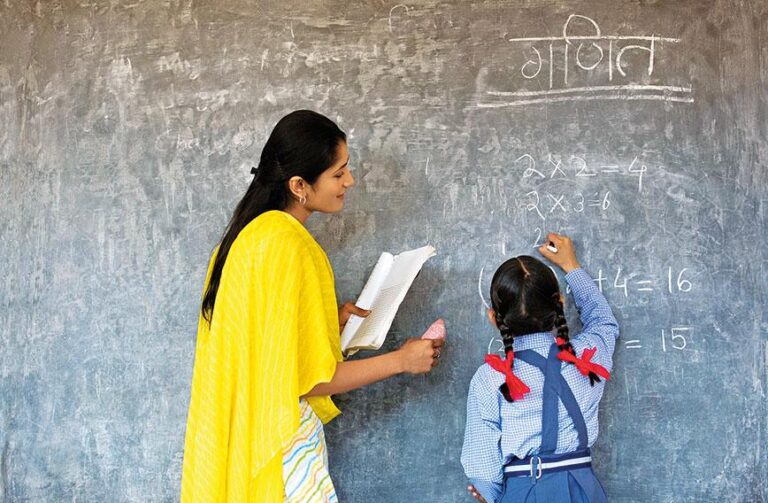
Liberate teachers from officials
Throughout our journey from Rudraprayag to Agastyamuni, the Mandakini river flowed to our left, quietly and gracefully. I felt a tinge of sadness since the Mandakini, after 20 kilometres, would cease to exist by merging itself with the Alaknanda river. After 70 kilometres, the Alaknanda too would join the river
read more...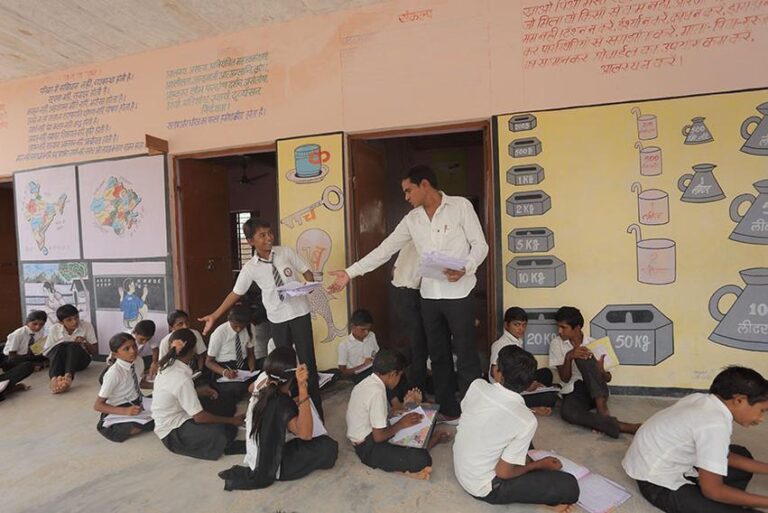
Involve teachers in decisions
The head teacher greeted us with a broad smile — as if she knew us for years — though I was meeting her for the first time. It was a school with 90 students across five grades. The same old story of very inadequate infrastructure, but nicely decorated by the
read more...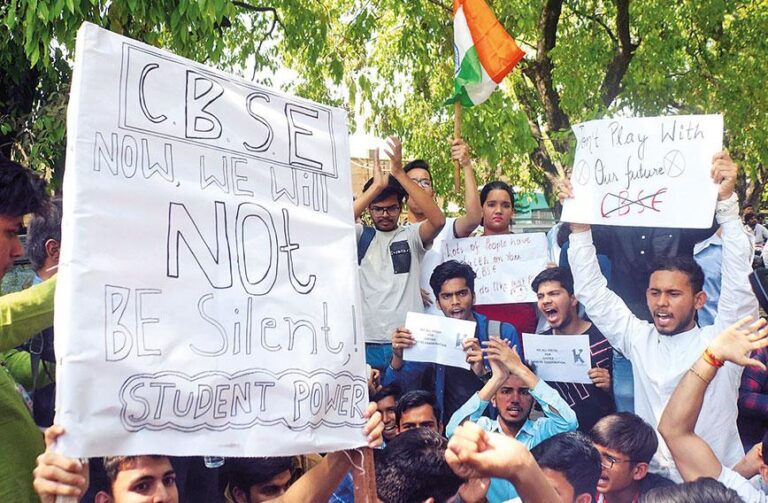
Exams for what?
In our beloved nation, a culture exists to comment, react, debate, criticise and suggest quickfixes without knowing the deeper nature of a problem or making an attempt to analyse its root causes. It was so once again during the recent episode of leaking out of the examination papers of the
read more...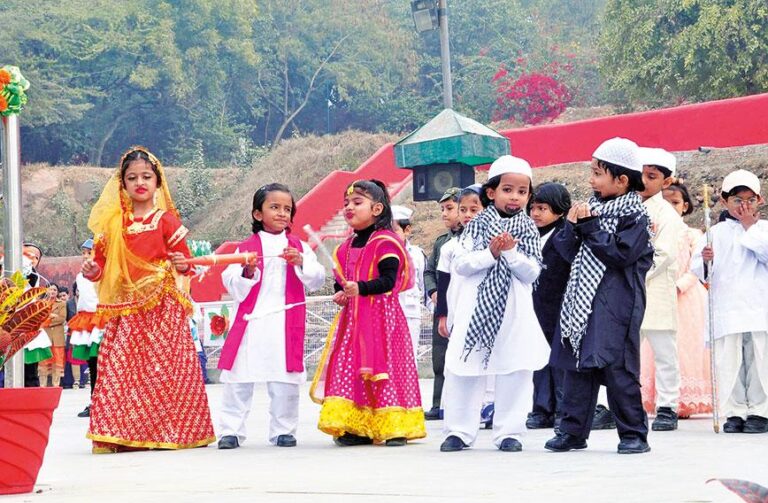
Why pre-school matters
It was 8.30 on a cold evening and, while walking past a reputed school in Bengaluru, I came across a long queue of young men and women. Out of curiosity I enquired from one of them and learnt that these were parents who had come to get the admission form
read more...
We are unjust to our children
Watching the Under-19 cricket team in the recently concluded Cricket World Cup was a joy for many reasons. The most important was the brilliant performance of the team in every aspect of the game. They outplayed almost all the other teams and each match was won with thumping margins. However,
read more...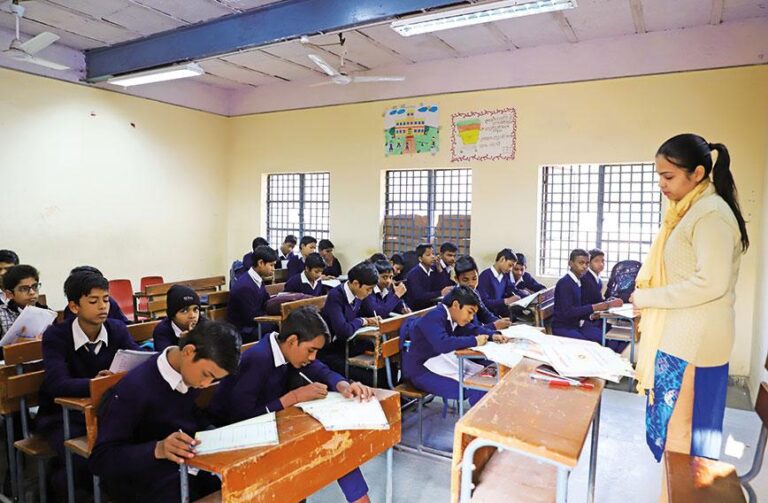
The tyranny of the textbook
I love the stretch that runs along the Bhimtal lake on the way to Almora and envy the people who live in a palatial bungalow that stands tall on the peak of the hill beside the wonderful lake. While passing through the usual congestion at Bhowali and looking at some
read more...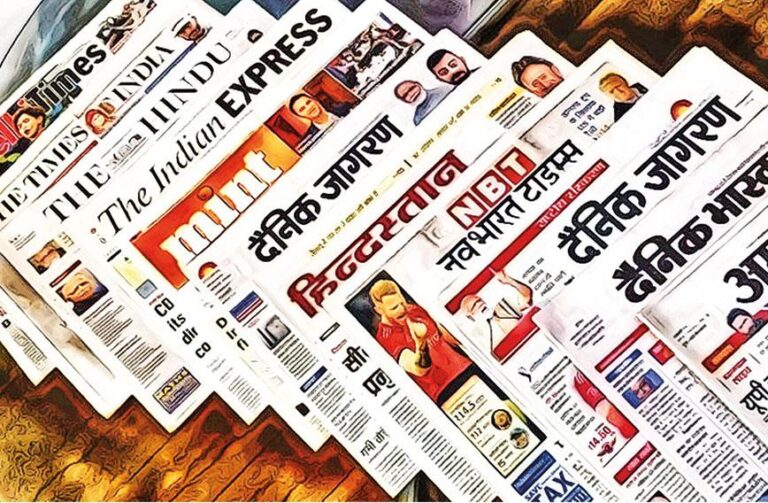
When the media goofs up
Right from day one of my working life I was required to deal with the media and surrounding communities on behalf of my organisation. And quite early I realised the power of the media as well as its nature as a double-edged weapon. It can build or destroy a story
read more...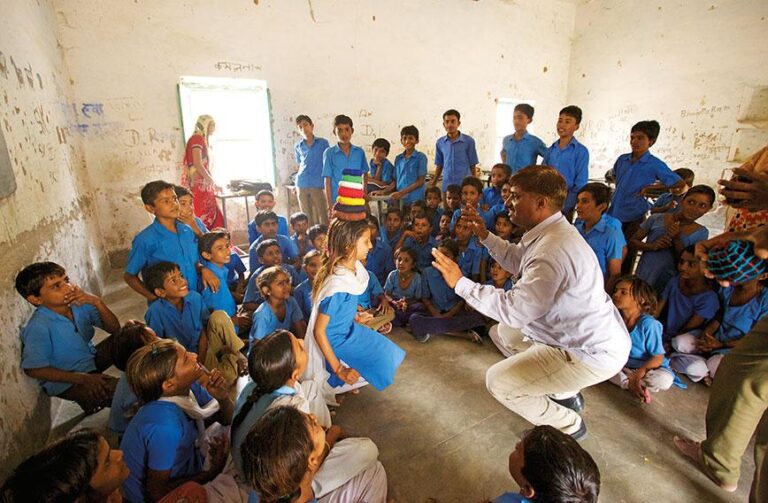
Teaching for social change
During my journey between Purola and Uttarkashi, on the ever winding roads of Uttarakhand, my colleague asked questions about our approach to teacher capacity enhancement. One question that occupied more than half the time of our discussion was: “How would teaching maths or science or social sciences or language improve
read more...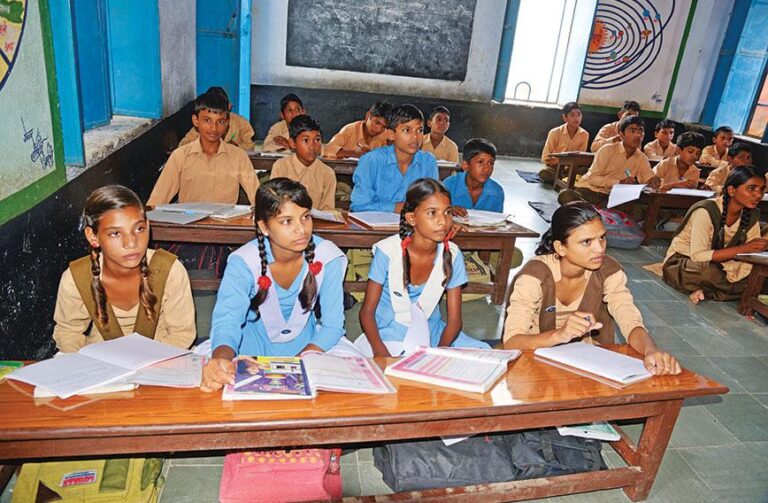
Education needs radical reform
At a recent interaction with a large group of colleagues in a regional meeting, one relatively junior member who visits schools daily as part of his training schedule was very disturbed with his experiences in a school. He did not like the way teachers were treated by senior functionaries when
read more...
Govt, NGOs can be an ideal match
He was a relatively young IAS officer in charge of education in a large state. Very energetic and action-oriented. We had a relationship of mutual respect and could freely discuss several issues related to education and more. He found our foundation different from the other NGOs he dealt with and
read more...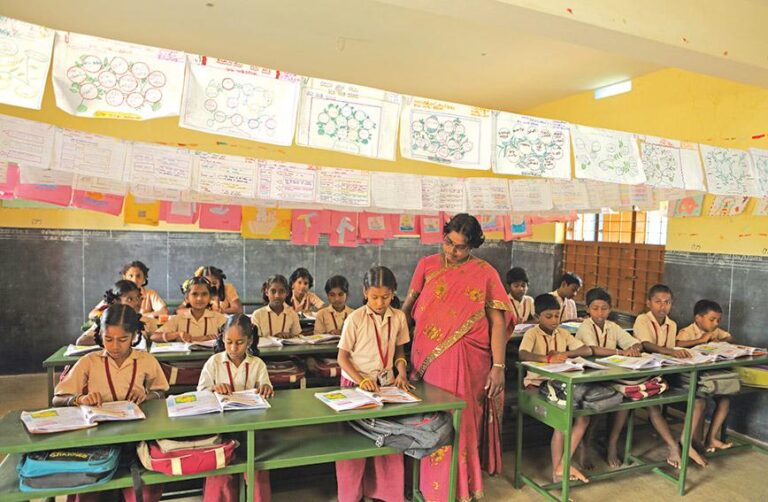
No place for fear in the classroom
The winter’s afternoon in a Rajasthan school was special for us since we were to spend time with the Bal Sabha (Children’s Parliament). Its members were excited to present to us the structure, design and scope of the Bal Sabha. The children appeared to be bright and engaged with the
read more...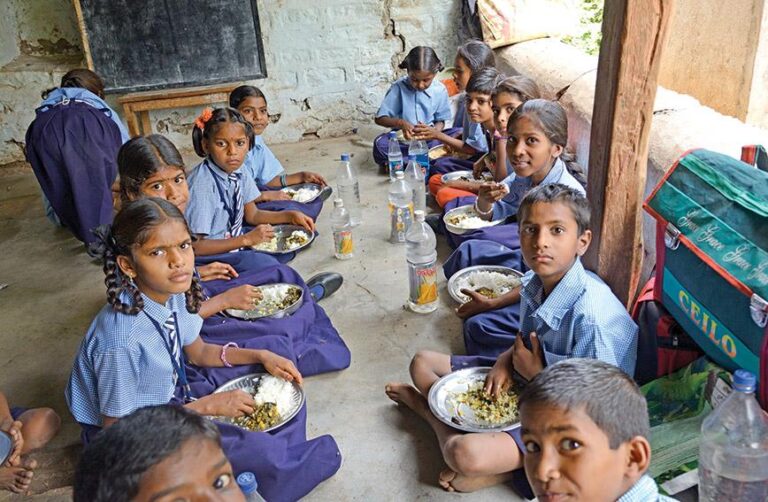
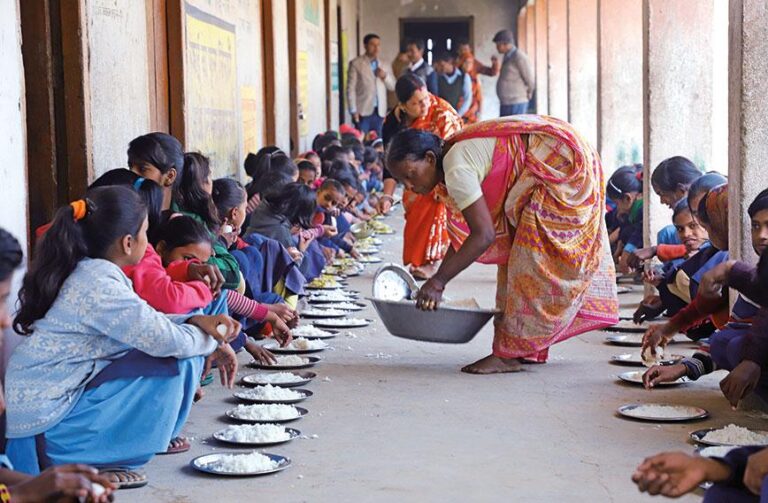
It is possible for midday meal scheme to improve
My son fell sick on his first birthday and we were rather disappointed since he was in no mood to play with the children who had been invited home. Even his pictures taken on the occasion clearly showed the discomfort he was experiencing. This was the beginning of an infection
read more...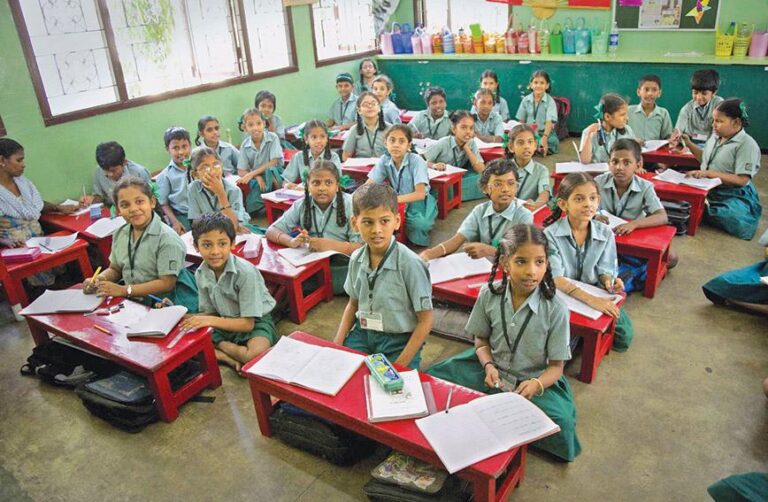
Pitfalls of assessment
Milind was one of our most reliable Factory Personnel Managers for several years. In a particular year, when we rated his performance better in our performance appraisal system, I congratulated him and expected him to be happy. His response baffled me. With practically no expression on his face, he said,
read more...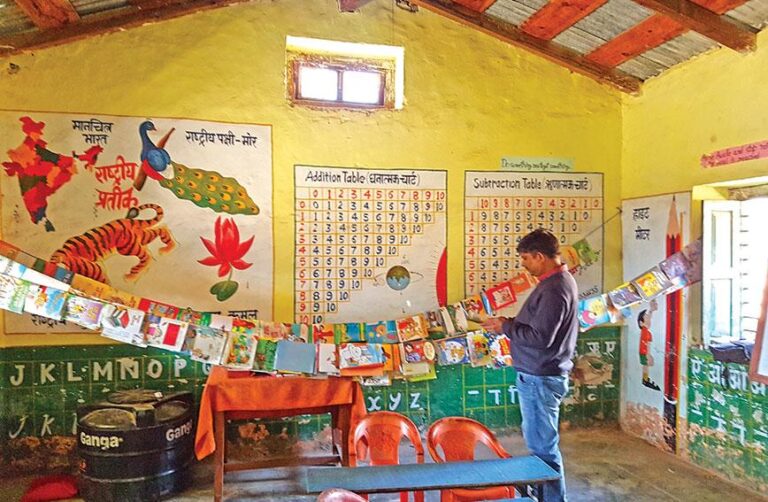
No shortage of enthusiasm
The journey from Bhimtal to Pithoragarh was punctuated by beautiful burans trees (Rhododendron arboretum), the state flower of Uttarakhand. My colleagues in Uttarakhand described various facets of the flowers including how useful and tasty their juice is. Just the previous week I had witnessed the colourful state flower of Rajasthan — rohida (Tecomella undulata)
read more...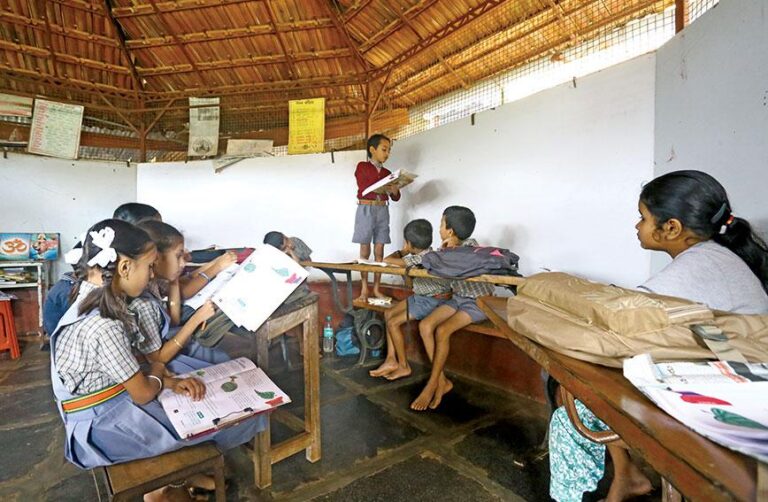
Education in schools is also about developing life skills
One of the first Bal Melas the Azim Premji Foundation organised was in March 2008 around the theme of “Metrics and Measurements.” Five hundred children from 14 schools, 150 teachers from 26 schools, 50 government education functionaries, and 900 parents and community members not only enthusiastically participated but actively contributed
read more...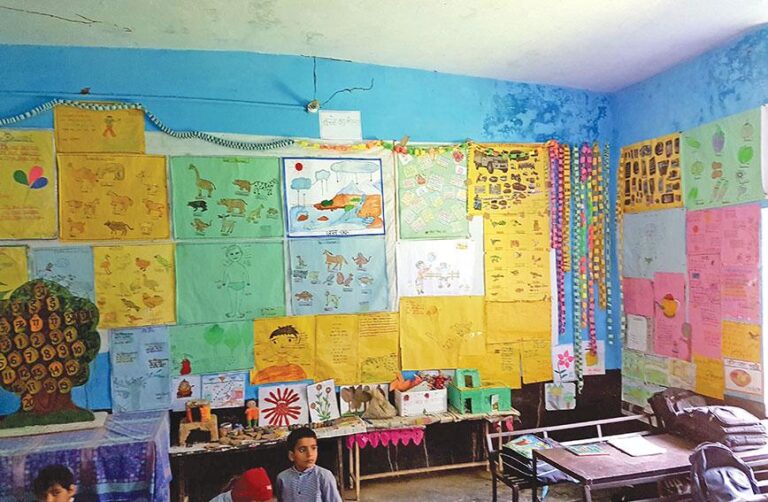
A govt teacher’s challenges
It takes around 90 minutes for us to reach the government school, about 65 km from Dehradun. The school is in a jungle and primarily caters to the children of the tribal community in the region. It is a two-room school managed by a head teacher (who also teaches) and
read more...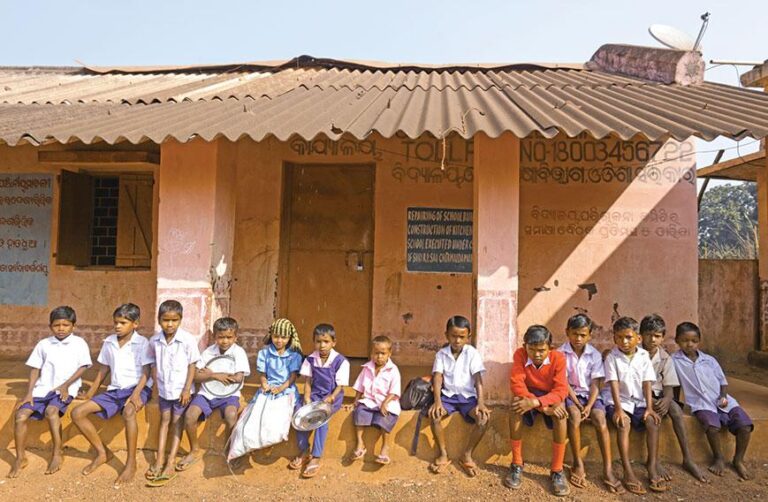
Teach teachers better
India has the largest schooling system in the world with 1.5 million schools, over eight million teachers and 250 million children in these schools. Under the National Policy for Education 1986/1992 the Government of India created an elaborate administrative and academic support system involving institutions at the central, state, district,
read more...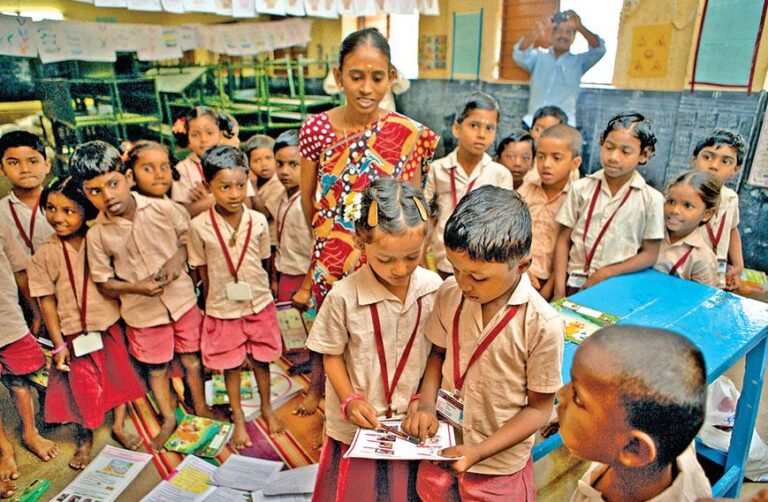
The limits of best practices
During 2001-02 the Azim Premji Foundation launched a programme, the Accelerated Learning Programme, to support the academic achievements of children who were enrolled in government schools after a bridge programme conducted by the state government. Before enrolment, the children were to be assessed for their competencies in order to be
read more...
Don’t bore children
During the past three months, I have seen some short educational films prepared around existent examples of certain schools, teachers, head teachers and teaching practices. Almost all the films were made to showcase practices that a larger cross-section of people mostly connected with the education domain could learn from. The
read more...
Education needs action
It was 2008 and the commissioner discussed with us the idea of designing workbooks for all government schools in the state to supplement the textbooks which in his opinion had some gaps. We thought the idea was great since it provided us an opportunity to not only develop some quality
read more...
DIETs key to good schools
About a decade ago, we had retained a management consultant to visit and evaluate a large not-for-profit organisation on several identified parameters. The organisation had excellent pedigree with a history of almost 75 years. We were keen to collaborate with them —given the fact that on a larger level, our
read more...
The teacher’s learning curve
Sitting in a largish room of a Block Development Office in Khargone district of Madhya Pradesh at 3 pm in 41 degrees Celsius heat was not quite a pleasant experience. However, neither the high temperature nor the irritating sound of the fan really mattered as the conversations unfolded over the
read more...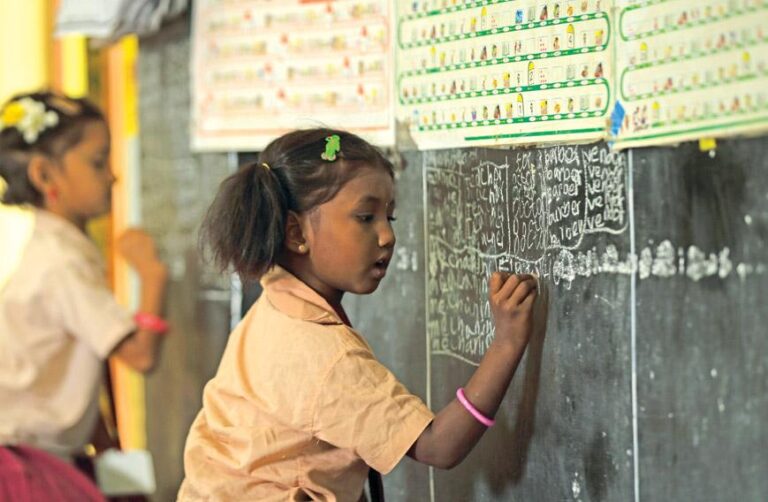
Schools with just one teacher
One of the states in our country has a district that has 44 per cent of schools with a single teacher. When I first heard about it I couldn’t believe it – but the statistics published by the government confirmed it. Since we work with government functionaries fairly closely, I
read more...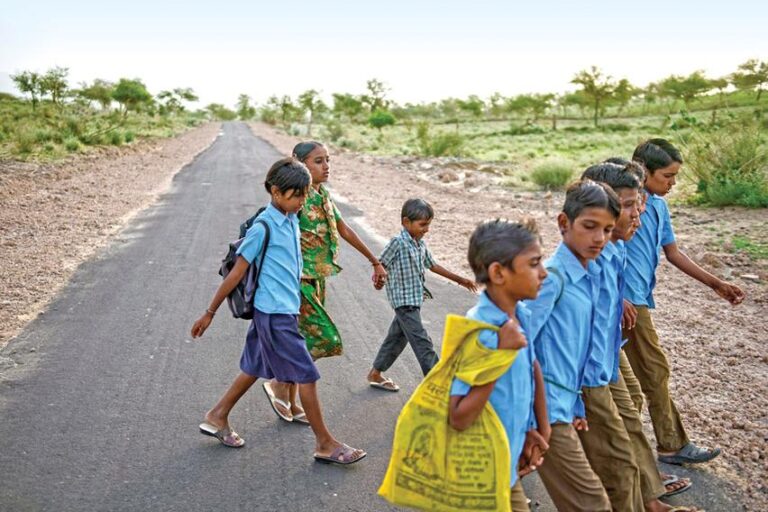
School blooms in desert sand
On several occasions, when I tell my former classmates and relatives that I am travelling in Barmer, many of them ask, “Where is Barmer?” One even asked, “What is Barmer?” Very few know that this district of Rajasthan, with around 6,000 schools and 21,000 teachers, is the second largest educational
read more...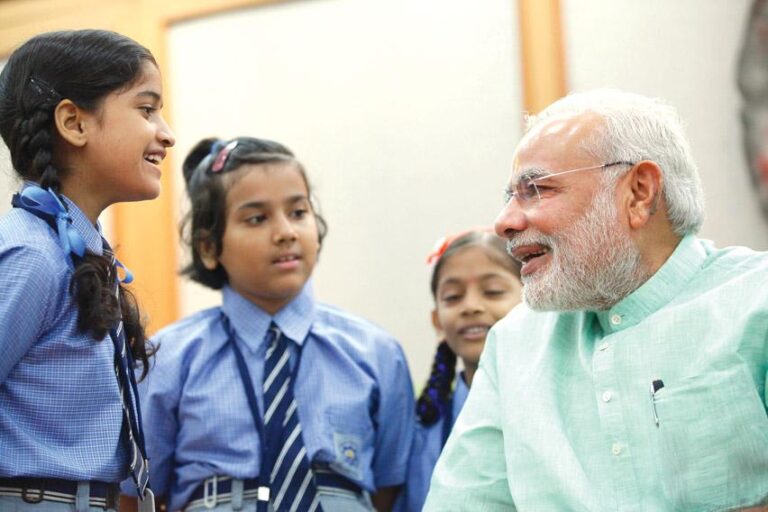
How the system defeats you
Incident 1: The lady at the other end of the phone was known to me. She had called apologetically on a Saturday afternoon to say the minister was keen on getting a presentation by the Azim Premji Foundation on a stated topic. The meeting was on the following Monday in
read more...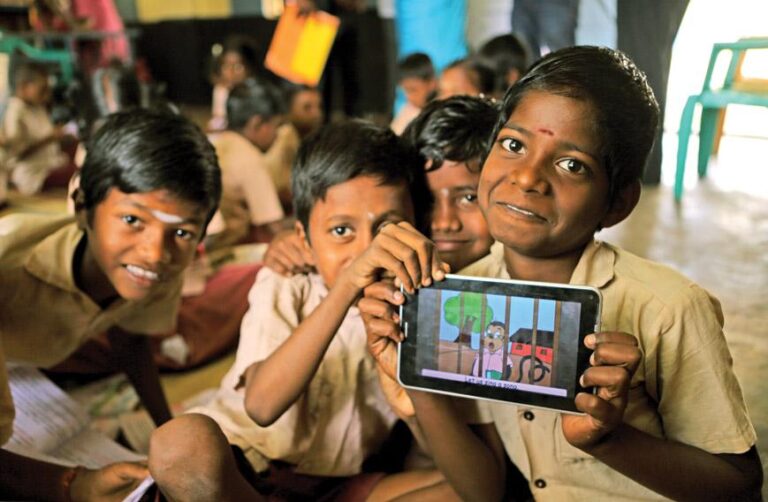
Empower teachers with tech
Around 2000, one of the biggest challenges facing the Indian school education system was the large number of “out of school” children. The estimates of the number ranged from 39 to 59 million. The Public Report on Basic Education in India offered a decent analysis of reasons for children not
read more...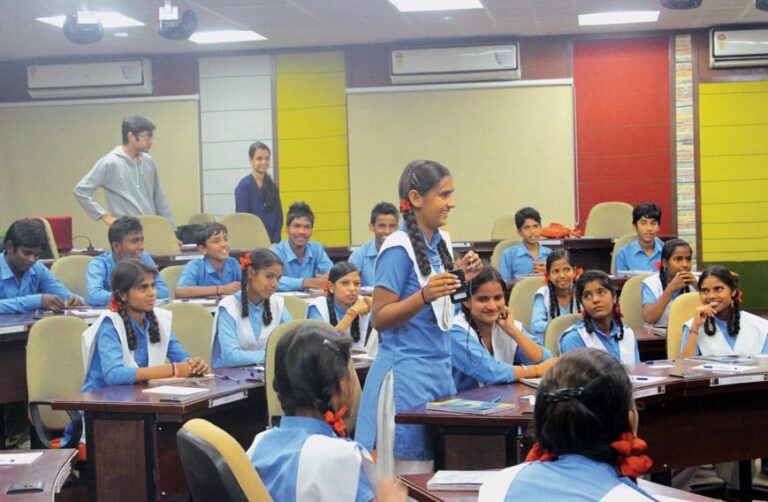
From school to college
It is high time we stopped compartmentalising education. Even at the government level, we need to view education as a continuum. I fully recognise that each stage of education has different needs, nuances and different issues associated with it and we must focus on those needs to successfully meet them.
read more...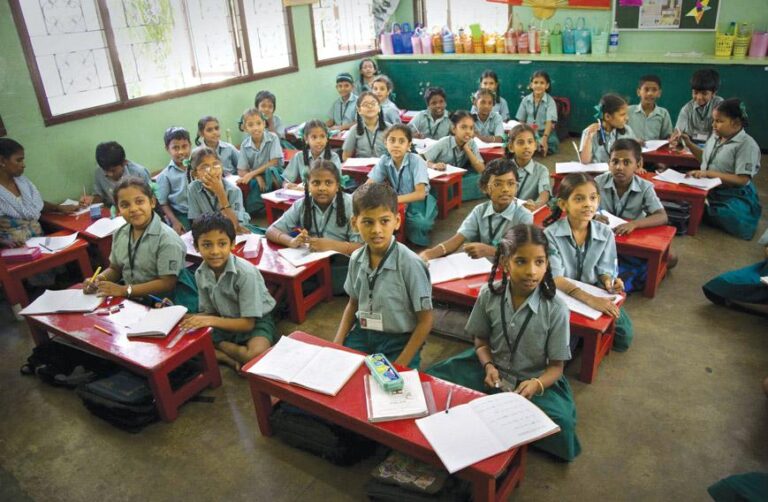
Spare the rod, save the child
In 2003, my colleague, MN Baig, and I were visiting schools that were part of the Accelerated Learning Program of the Azim Premji Foundation. In a school in Gulbarga (now Kalburgi) district, I asked the headmistress, pointing to a teacher carrying a stick, “Why, in so many schools, do the
read more...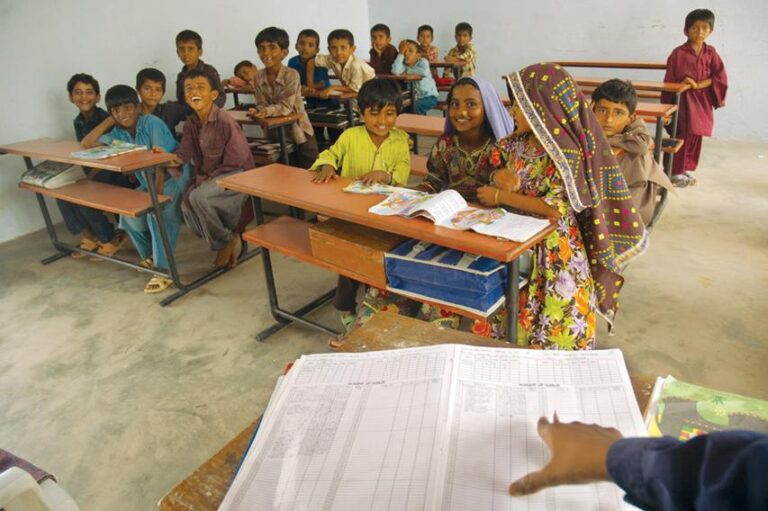
A class of equals
About two years ago, in a relatively remote town in Maharashtra, while addressing some 250 college students, I asked them, “how many of you are proud of being Indian?” Many hands went up. A small group of students did not raise their hands. I asked the majority group why they
read more...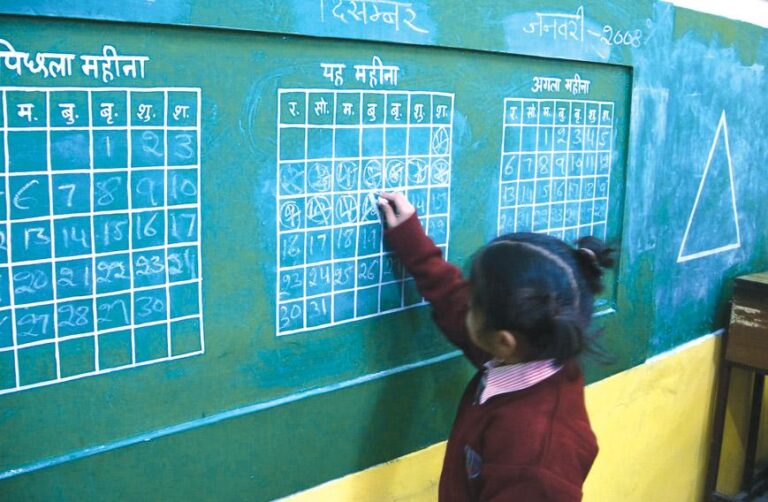
God is in execution
The National Policy for Education 1986 (modified marginally in 1992) was prepared after much debate and thinking that had originally begun even before 1968. The policy was adopted by Parliament. Several architectures including the formation of institutions at various levels (national, state, district, block and cluster) were created by the
read more...
Teaching needs perspective
Sometime in 2007 I was invited to facilitate a session with a group of about 35 high-quality faculty members in one of the Institutes of Advanced Studies in Education (IASE). The topic was “Evolving a Framework for Faculty Development”. The discussion began with “what is your concept of education” and
read more...
The single teacher’s plight
He is one of the best government teachers in that block, situated in the beautiful foothills of the Himalaya. His school is situated in a remote place (about 30 km of winding difficult road from the block headquarters) and after reaching a point, it took us a good 15 minutes
read more...