
DELHI DARBAR / SANJAYA BARU
Amoral power play
Ethics and morality have never been the stuff of politics. Chanakya and Machiavelli are often quoted as authorizing amoral realism in the conduct of affairs of state. Chanakya’s approval of pragmatism over principles referred only to the king’s pursuit of national interest, not his personal ones. Chanakya’s advocacy that a
read more...
Quantifying reality
THE Global Hunger Index (GHI), published by two European non-government organizations, has been universally slammed in India both by government representatives, including the chairman of the Prime Minister’s Economic Advisory Council, and by professional economists. Poor methodology, questionable data collection through sample surveys and inadequate understanding of the difference
read more...
End the plan holiday
WE have had ‘plan holidays’, that is, a break from five-year plans, many times before. In the late 1960s, the late 1970s and the early 1990s. The first and third were occasioned by economic crises that made extant plans impractical. The break from a five-year plan in the late
read more...
Foreign funds, Indian minds
A few years ago I had written in these very pages of Civil Society a column titled “Funding the Indian Think Tank”. I was commenting on a controversy raging at the time on the issue of Indian think tanks getting foreign funds. That column followed a 2013 column I had written
read more...
Censorship and self-censorship
THE problems for democracies, observed an editorial in the inaugural issue of the national newsmagazine India Today (December 1975), “is to decide where freedom begins and responsibility ends….What a handful would consider suppression, millions of Indians do seem to consider emancipation.” That quotable quote is not about India today. It was,
read more...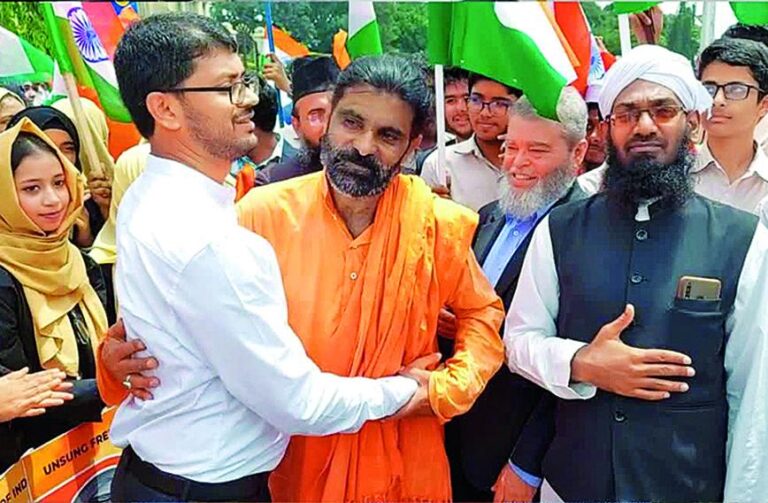
Mobilizing civil society
CIVIL society groups have always been engaged in mainstream politics in one way or another, albeit at its margins. Rarely have such groups been credited with making a difference to the outcome of elections to state legislatures. In the erstwhile united state of Andhra Pradesh I was witness over
read more...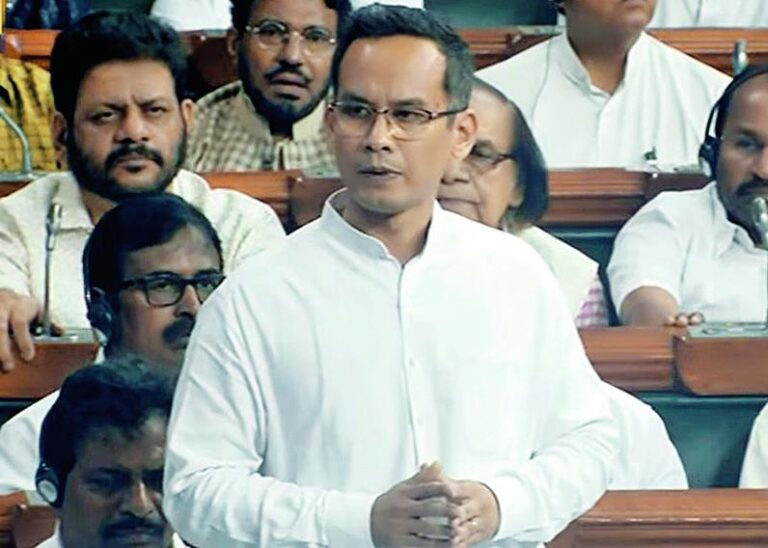
A debate of bytes
WE have all heard television journalists implore whoever they are seeking to interview, “Give me a byte”. In the age of electronic and digital media a byte is the equivalent of a quotable quote or a headline for print journalists. We are in the era of bytes. So who
read more...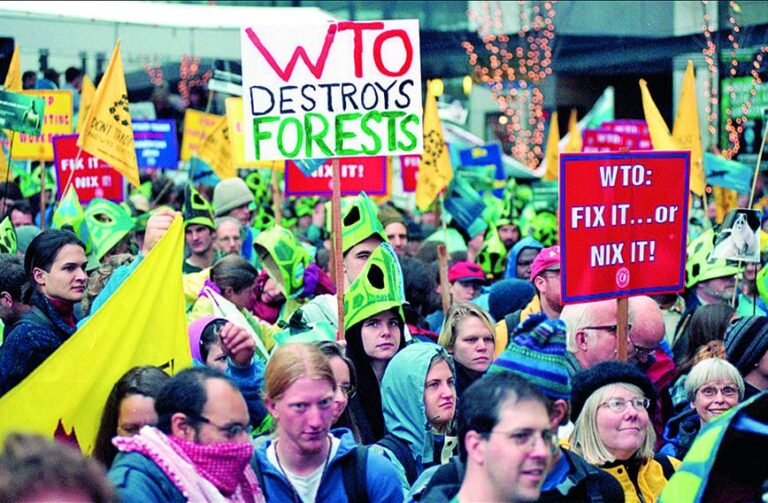
People and summits
A summit, by definition, is for summiteers. Sherpas are needed and so are all the camp staff. Ordinary people are expected to stay a safe distance and laud summiteers. And that has not just applied to real mountain climbers but to the metaphorical ones too. For ages, kings, queens
read more...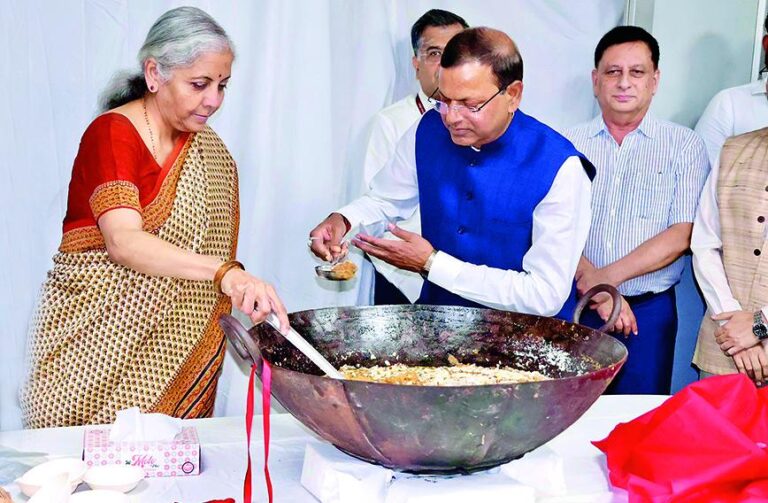
On a weak foundation
WHEN Union Finance Minister Nirmala Sitharaman presents her sixth annual Financial Statement and Budget speech in Parliament, she will equal the record set by Morarji Desai. Among the many things that she will take credit for, the foremost may well be the fact that the Indian economy is once again
read more...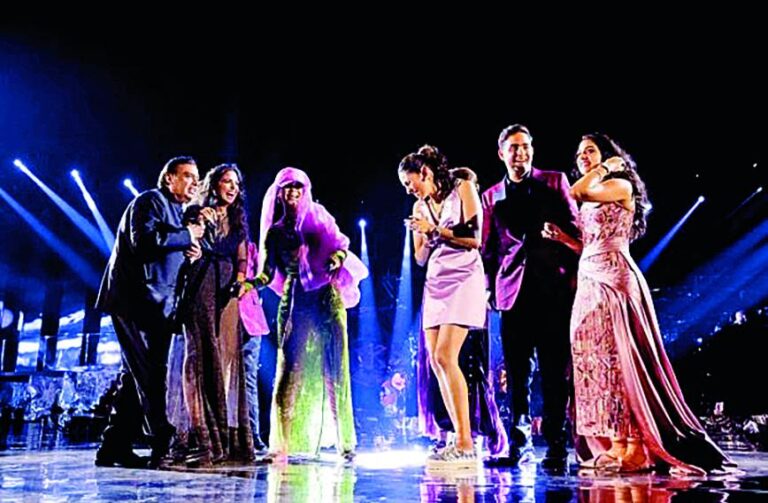
Have money, will spend
THE Ambani family’s over-the-top partying at Jamnagar has been widely commented upon at home and abroad. Only the socially unaware were surprised by it. It was entirely in keeping not just with the in-your-face edifice, Antilia, that the family lives in on Mumbai’s Altamount Road but also the general
read more...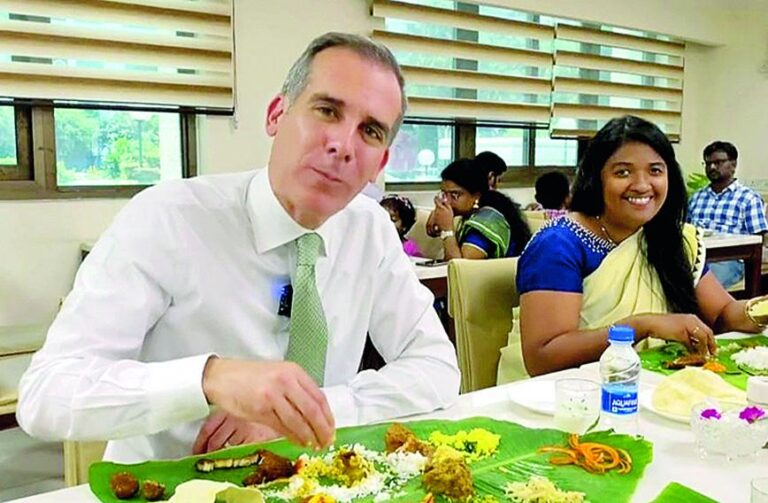
Diplomacy, society and business
For over two years the United States political and administrative system found it difficult to appoint an ambassador to India. Finally, on the eve of Prime Minister Narendra Modi’s visit to the US, an ambassador landed in New Delhi and the President of India received his credentials quickly to
read more...
Small media with big impact
AMONG the many institutions of Indian democracy that earned disrepute in recent years the so-called ‘mainstream’ media stands out. Becoming overtly politically partisan was one crime. Equally important, becoming professionally incompetent was the other. Consider the performance of the various journalists who interviewed Prime Minister Narendra Modi in the
read more...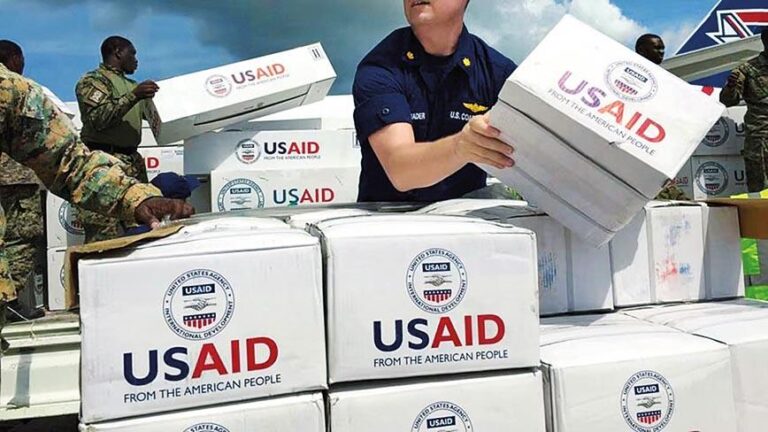
Foreign aid, domestic politics
THE mindless controversy generated in Indian mainstream media by US President Donald Trump’s decision to wind up the US Agency for International Development (USAID) was one more indicator of the increasing superficiality of media commentary. Trump’s decision was bad for the US and, especially, for USAID staff who have
read more...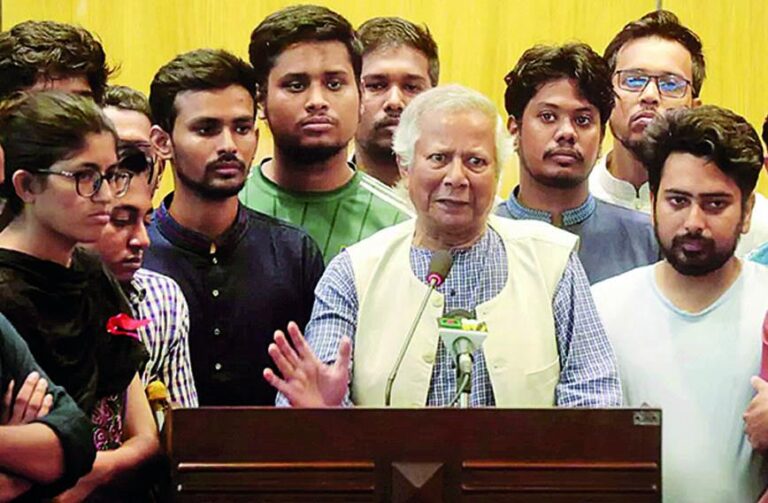
Not easy to find a Yunus
DEMOCRATIC institutions ensure that a State renews its legitimacy within civil society. When those who take control of the State subvert and delegitimize the institutions of democracy, this renewal ceases to happen. Regular and transparent elections to the legislature, that represents civil society, enable the State to renew legitimacy through
read more...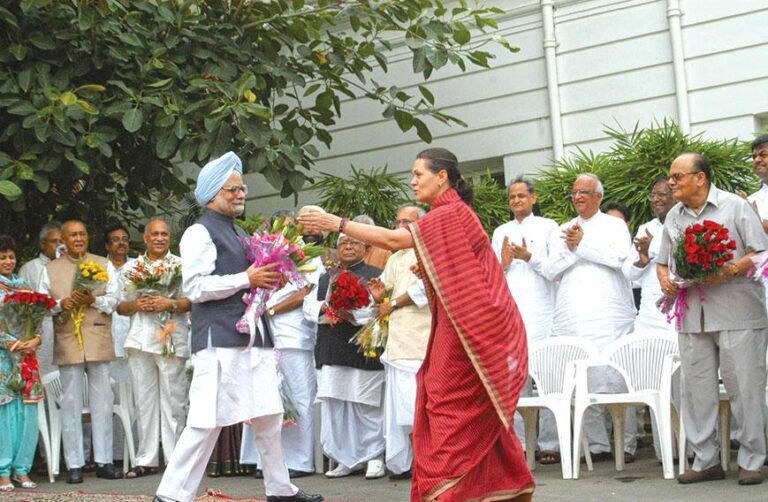
The power of loyalty
The Indian sub-continent has had several capital cities of successive kingdoms and empires, but Delhi occupies a special place. Mohammed bin Tughlak tried to get away to Daulatabad but was drawn back and even the British had to move inland from Calcutta and build a whole new capital. Indraprastha
read more...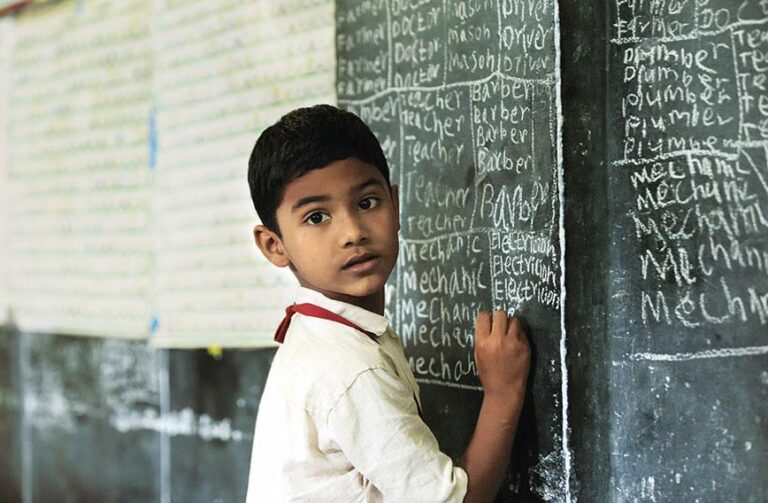
Language and opportunity
Of all the daily editorials I had to write during my tenure as the editorial page editor of the Times of India none elicited more hate mail than the one I wrote titled “English is an Indian Language”. This was written in response to a protest hunger strike that Samajwadi Party
read more...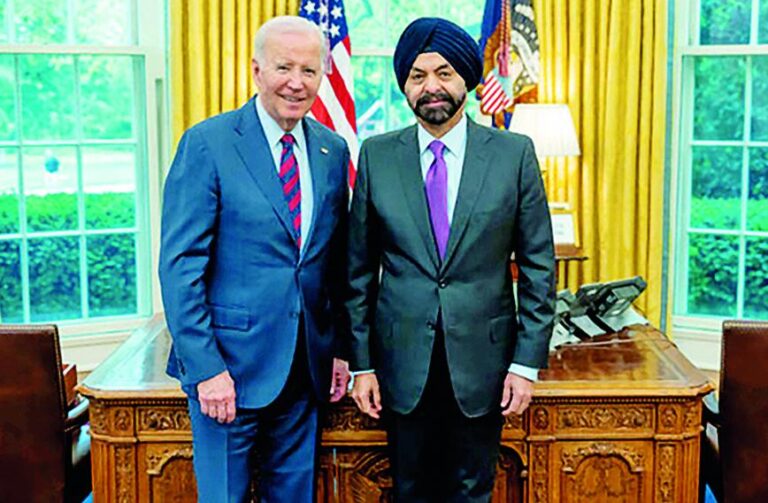
Banga at the Bank
AJAY Banga made headlines when he was named president of the World Bank by US President Joe Biden. Indian born and mostly educated in India, Banga began his professional career in India before becoming CEO of the American finance firm, Mastercard. Having earned his American credentials, he was green-flagged
read more...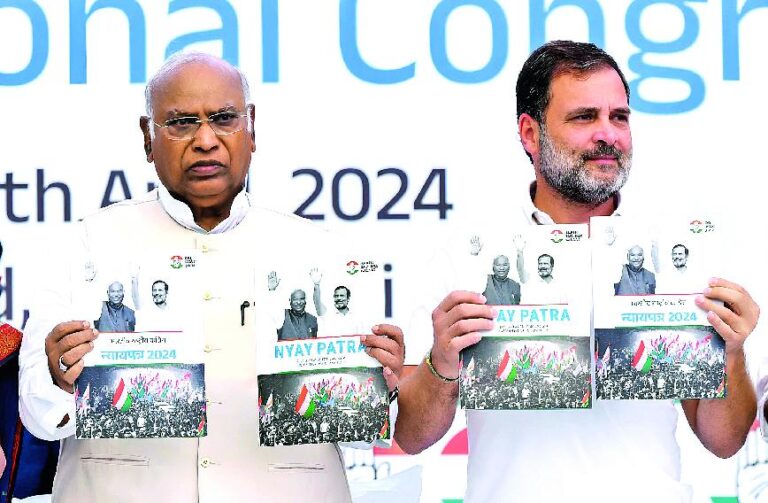
2024: Two narratives
RESPONDING to the 2024 election manifesto of the Congress party, titled Nyay Patra, Prime Minister Narendra Modi said it bears the imprint of the Muslim League. That more or less sums up the political platform of the Bharatiya Janata Party (BJP) under Narendra Modi’s leadership. As the major opposition party, the
read more...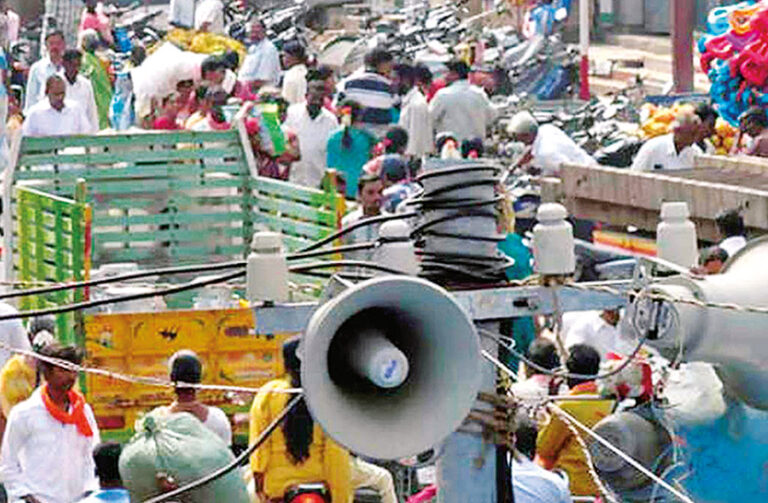
The other pollution
Why is it that while the challenge of air pollution has been able to attract some public and policy attention in the national capital, there is as yet little focus on the other urban challenge — noise pollution? While noise pollution was officially identified as a major social problem
read more...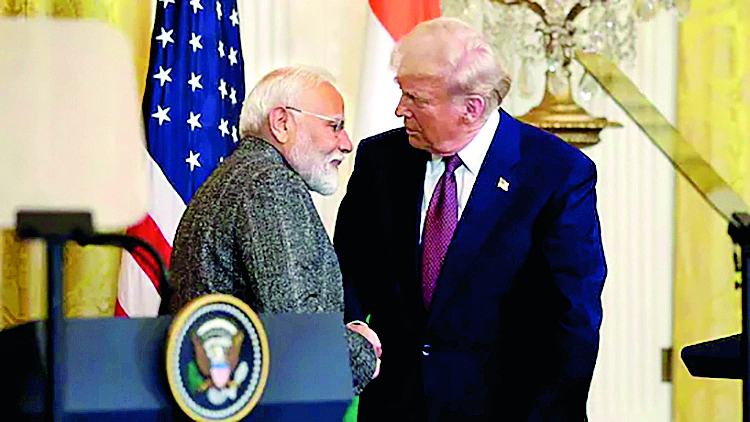
MAGA is not MIGA
Indian prime minister once said that MAGA (Make America Great Again) can also help MIGA or Make India Great Again. The end of a quarter-century-old India-US ‘strategic and global partnership’ has just been announced. Speaking at the Raisina Dialogue in New Delhi, the deputy secretary of state of the
read more...
Marking territory
Dogs do it. Mark territory. So do humans. The methods differ. The objective is the same. To protect one’s turf by limiting entry. Nations use passports and visas, barbed wire and walls. Professions use qualifications. Unions sometimes use muscle power. The successful marking of territory is based on effectiveness of
read more...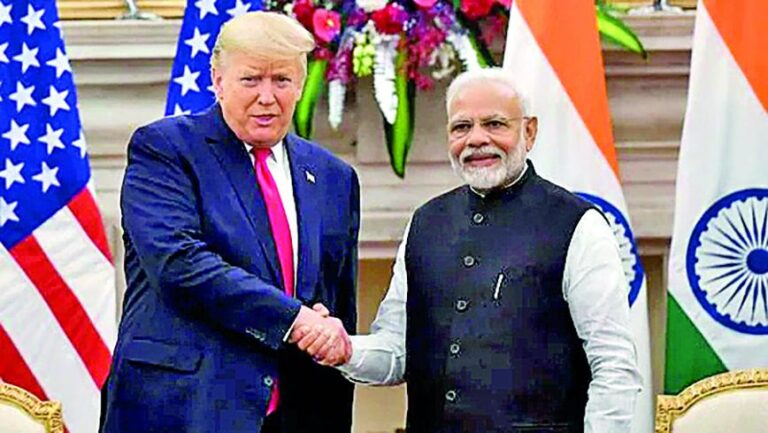
Trump and India
President Donald Trump with Prime Minister Narendra Modi WHAT precisely the second presidency of Donald Trump will mean for India depends on which of the two views of India within the American strategic community comes to dominate the thinking within his administration. Both perspectives have one thing in common, namely,
read more...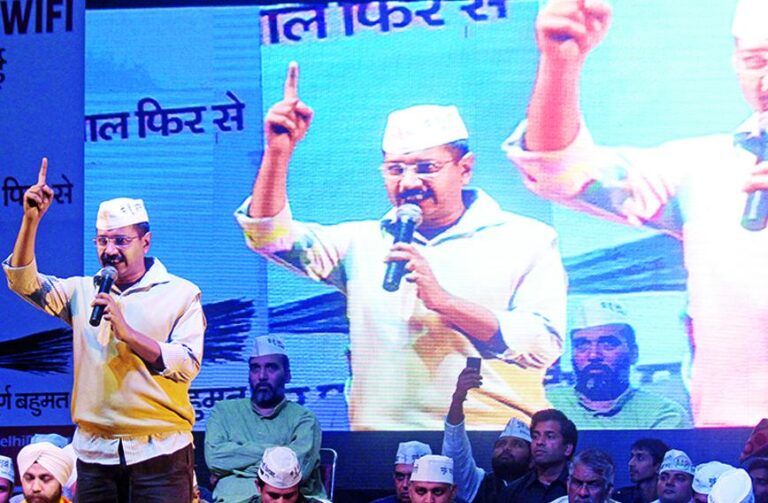
AAP’s mixed legacy
AFTER the Indian National Congress morphed from being a national movement into a political party, several civil society movements have tried to make this transition. The most prominent among them being the Dravidar Kazhagam (DK), led by Periyar, that evolved into more than one political party. In the 1980s the
read more...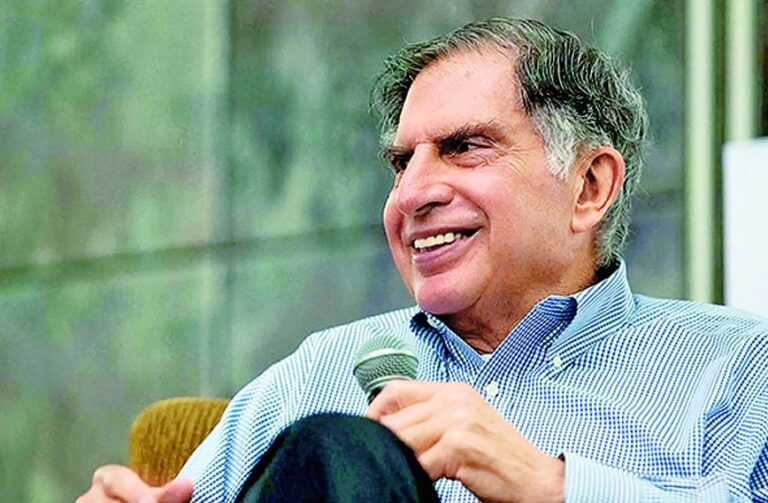
The giving instinct
A running theme in the many tributes paid to industrialist Ratan Tata has been the recognition of his record as a philanthropist and his humane personality. Evidence normally cited of the former is the record of the Tata Trusts and of the latter is his care of stray dogs.
read more...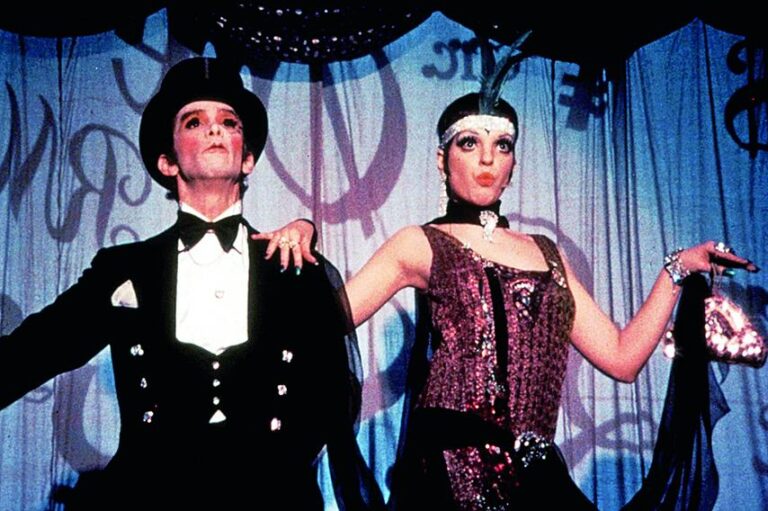
Tomorrow belongs to me
Fascism is a cabaret. A scene from the eponymous film Blame it on Xi Jinping. In 2012 he urged his people to look to a great future and called it the ‘China Dream’. A decade later Narendra Modi promised a bright future for India with his Amrit Kaal and
read more...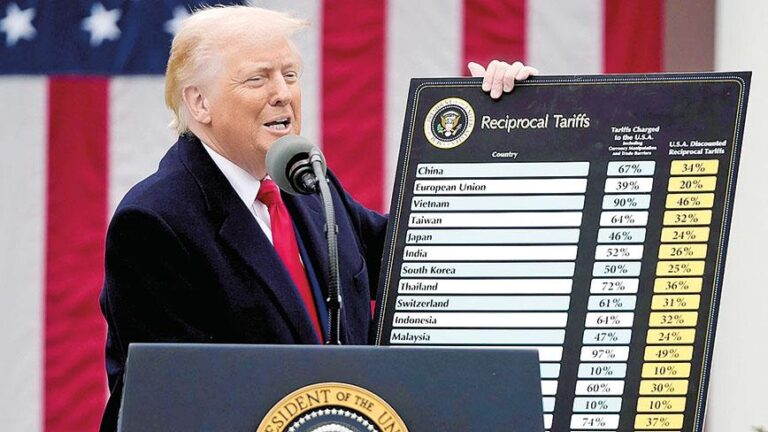
Tariffs and the loss of trust
A whimsical Trump has created policy-induced uncertainty ONE of US President Donald Trump’s favourite phrases is “I know all about it.” Social media is full of the number of things that Trump knows all about. Clearly, he was not aware that the bond market could pull the rug from
read more...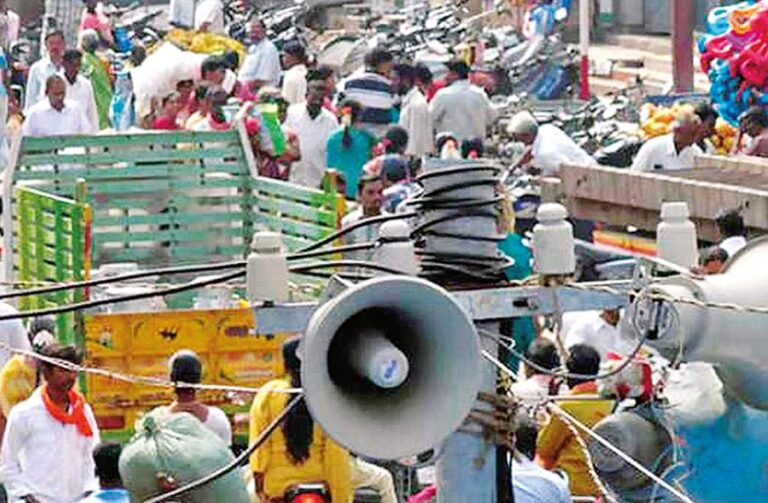
The other pollution
Why is it that while the challenge of air pollution has been able to attract some public and policy attention in the national capital, there is as yet little focus on the other urban challenge — noise pollution? While noise pollution was officially identified as a major social problem in
read more...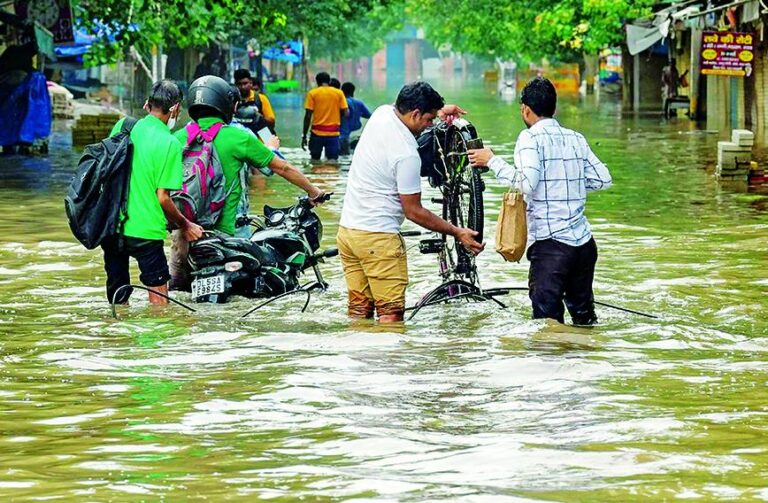
Down the drain
During the year I was at the Lee Kuan Yew School of Public Policy in Singapore the then Lt Governor of Delhi, Tejinder Khanna, paid a visit to the country and dropped in at the school for a chat with the faculty. Noting the fact that Singapore was a city
read more...
India’s missing mayors
In the excitement generated in urban India by the election of Zohran Mamdani as the mayor of New York, few have asked where the mayors in India are. Many cities do have mayors but few know of them given their limited powers. Most in the nation’s capital would know that
read more...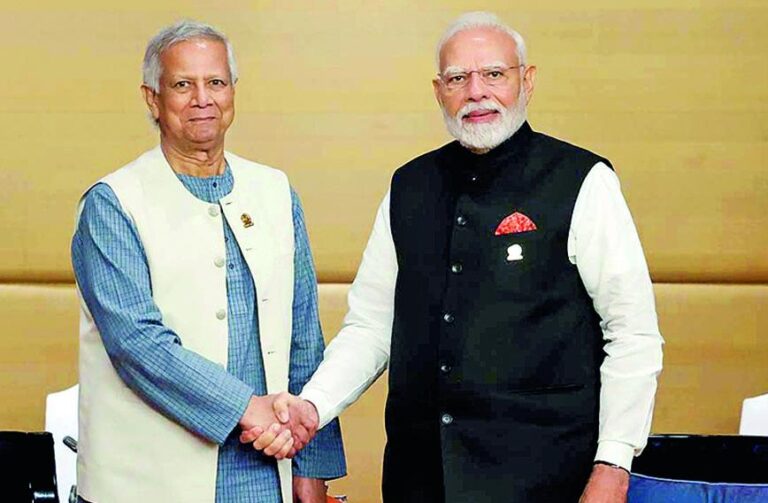
Living with neighbours
Most people like to live in a neighbourhood of the similar and the familiar. In India we took it a step too far. In an Agraharam only Brahmins, often of the same sub-caste, would live. Dalits in a village were told where their place was. Moving into urban spaces, people
read more...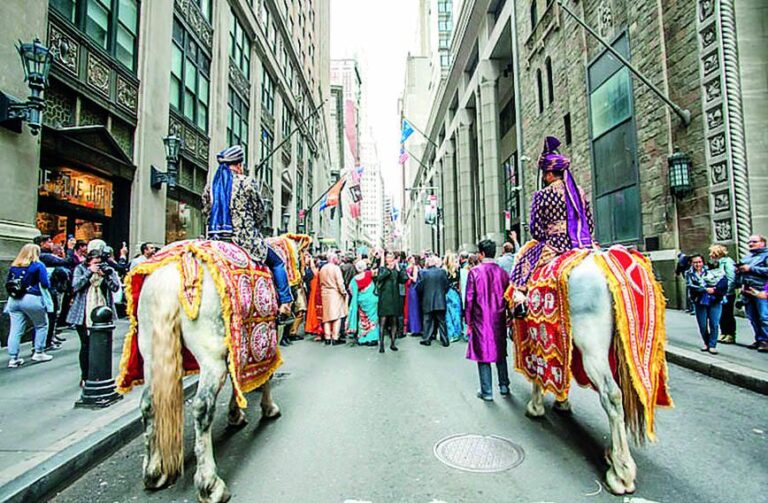
The non-returning Indian
In the book I wrote on the changing character of India’s power elite (India’s Power Elite: Class, Caste and a Cultural Revolution, Penguin Random House, 2021), I devoted the last chapter to a brief consideration of an important and emerging aspect of the Indian power elite — their emigration. I
read more...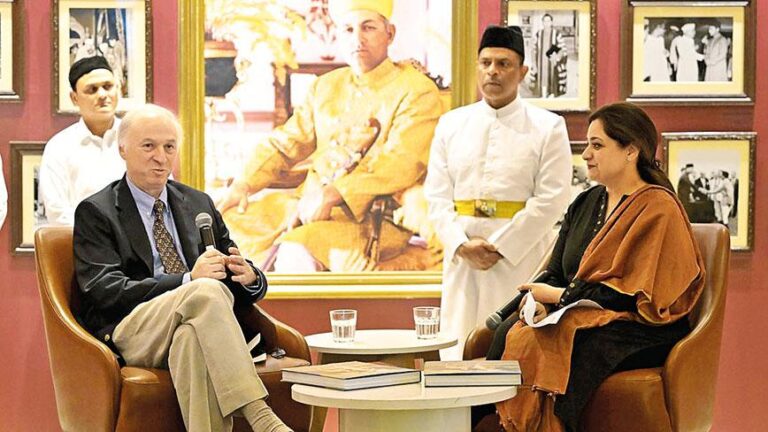
Feudals in fashion
The Indian Express and the Taj hotels recently sent out invitations for an evening with Radhikarajae Gaekwad, described as the ‘Maharani of Baroda’. The Hyderabad Literary Festival saw the launch of a coffee table book on the ‘Nizam of Hyderabad’. The media routinely informs us that the Dassehra festival in Mysuru is
read more...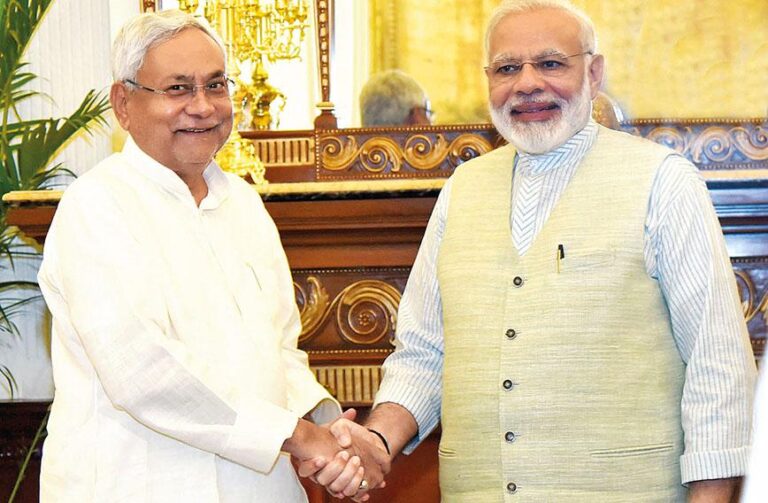
Politics of futurism
In the excitement generated in urban India by the election of Zohran Mamdani as the mayor of New York, few have asked where the mayors in India are. Many cities do have mayors but few know of them given their limited powers. Most in the nation’s capital would know that
read more...