
LOOKING AHEAD / KIRAN KARNIK
A viksit short-cut?
No, the year in the title is not a mistake or misprint. We could well be “developed” (viksit) next year, if not this, and we don’t have to wait till 2047. Recent events, covered in the media, provide the evidence. Take the economy. Most consider this all-important, and leaders have
read more...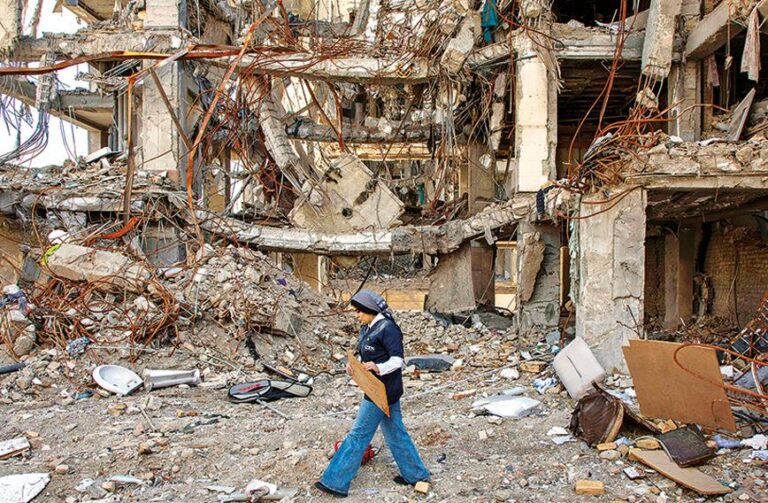
End of military dominance?
A prediction of the demise of military hegemony may seem premature, if not completely wrong, at a time when the headlines are all about how the US (and Israel) is battering Iran, threatening to bomb it “back to the stone age”: President Trump’s echo of Bush’s words on Afghanistan. Yet,
read more...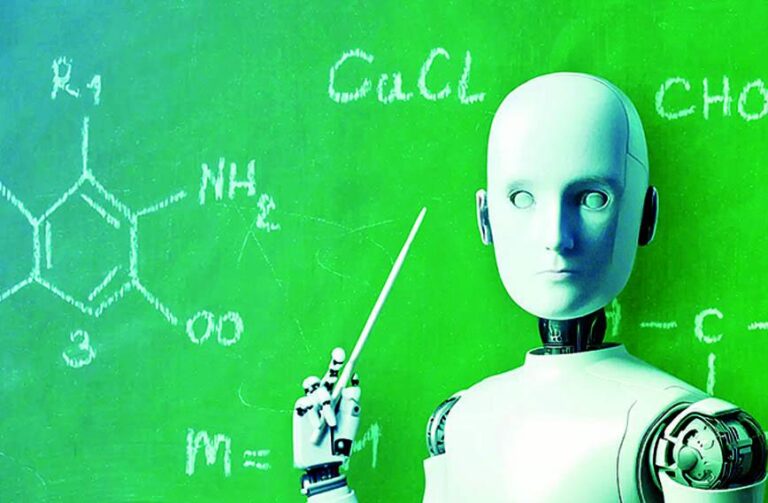
Your AI guru
Meet your new teacher: Prof. AI. Irrespective of your age or stage of education, this new teacher can guide you through all levels of learning, up to whatever point you desire to reach. “Lifelong learning” has been spoken of for decades; now, this cliche has transitioned from being merely desirable,
read more...
Here’s your doppelganger
Imagine suddenly having a twin: rather like the hackneyed plot of many a potboiler movie, where the hero discovers that he has a twin of whose existence he was unaware (typically separated from the family during a mela, when they were very young). Practically your clone, the twin will be you
read more...
War, ethics and AI
STUDIES on the ethics of AI-based autonomous weapons are being funded by US Defence Advanced Research Projects Agency (DARPA) to the extent of millions of dollars. The significance of this recent announcement, especially for those not fully plugged into this area, requires a brief and simple explanation of the
read more...
Power and big business
For well over a century, sovereign nations and their governments have decided and driven policies, especially in the arena of international relations. Friends and enemies, allies and rivals have been chosen based on the interest of the nation as perceived by the government. This paradigm is now going through
read more...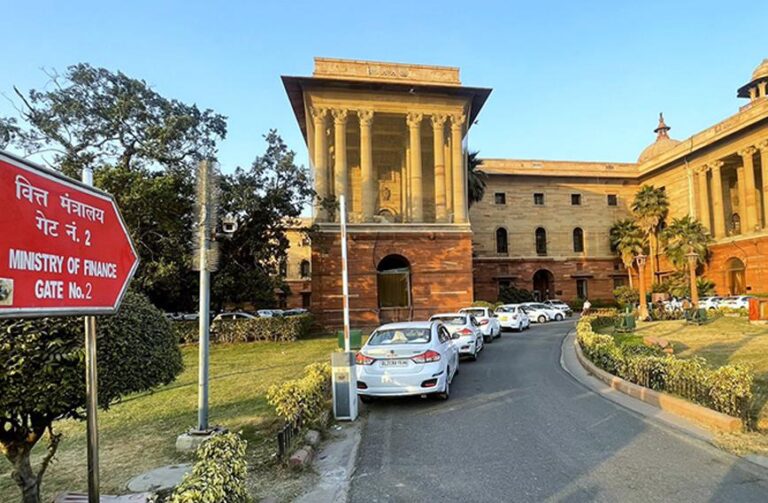
How to shrink Delhi
ONE of the catchy slogans popularized by Prime Minister Narendra Modi was ‘Minimum government, maximum governance’. It reflects an aim to provide effective, efficient, and extensive governance while optimizing the cost, control, and size of the government. This laudable goal is now global and is a continuation or fallout of
read more...
Is it the end of family?
MARRIAGE and family are institutions within which we have grown up, comfortable in the assumption that these are an integral or permanent part of the way our society is structured. These have endured, with some variations, over the centuries, having evolved as practical arrangements which also provide a safety
read more...
Rise of individualism
MANY claim that we are entering an era which marks the end of ideologies and the death of “isms”. Communism dissolved with the Soviet Union. Capitalism is seen as cruel. Idealism has been trumped by cynicism, but the latter too is frowned upon; after all, who likes naysayers and
read more...
Broken bridges of governance
AT the recent Conference of Governors, Prime Minister Narendra Modi urged governors to serve as “an effective bridge between the Centre and the state”. Unfortunately, it seems that these have been built by the contractors who specialized in self-destruct bridges in Bihar! Delhi’s “broken bridge” problems seemed unique, an
read more...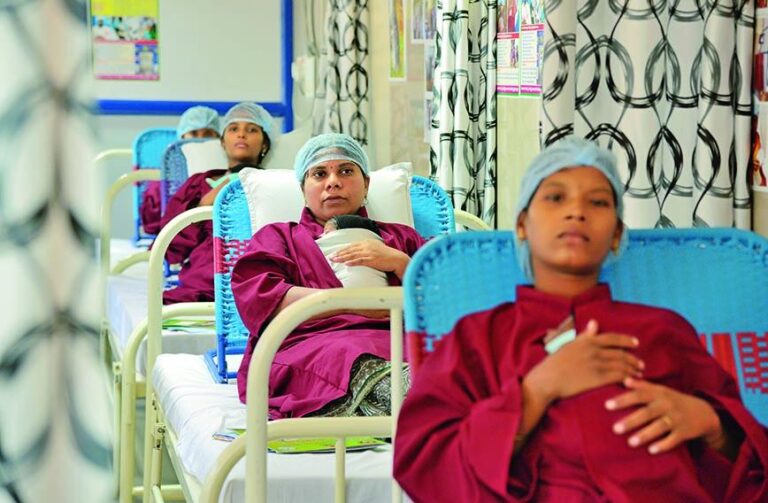
Boost that birthrate
A previous article (‘Demographic Dangers’, Civil Society, June 2024) discussed some implications of the latest fertility figures for India and the demographic projections that result. For the next two decades, with fewer births than earlier expected, the dependency ratio (the proportion of non-working age compared to working age population) will
read more...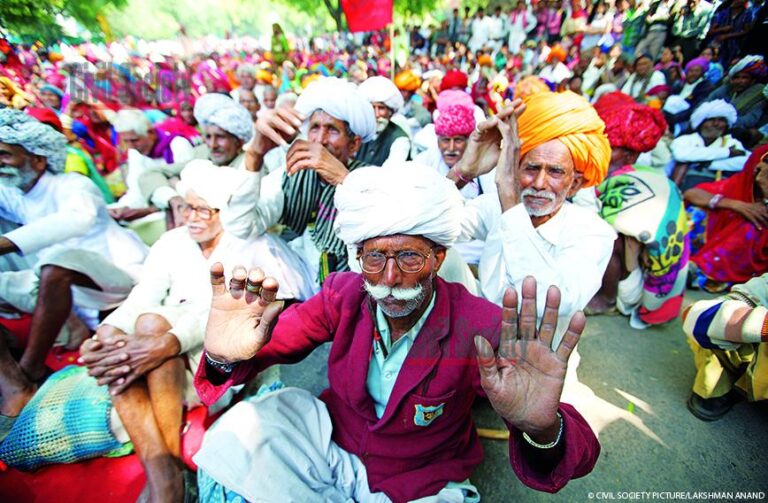
Demographic dangers
DEMOGRAPHY is in the news, thanks to the Lok Sabha elections and the latest projections of population growth. The former has brought focus to aspects like the size of the electorate, number of first-time voters, and the proportion of women voters; the latter to the likely changes in the
read more...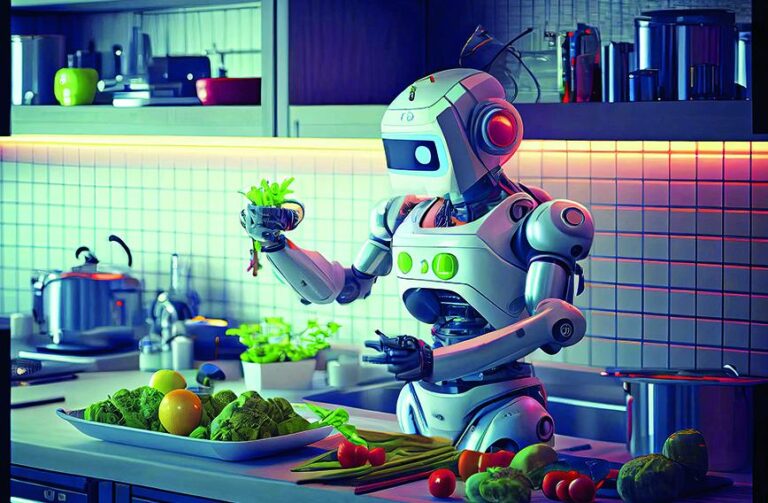
Innovation is the buzzword
INVENTION is the holy grail of researchers: to create something that does not exist and may not even have been imagined. Close behind is discovery: finding, for the first time, something that exists, but has not been known so far. However, for the business world and pragmatic economists —
read more...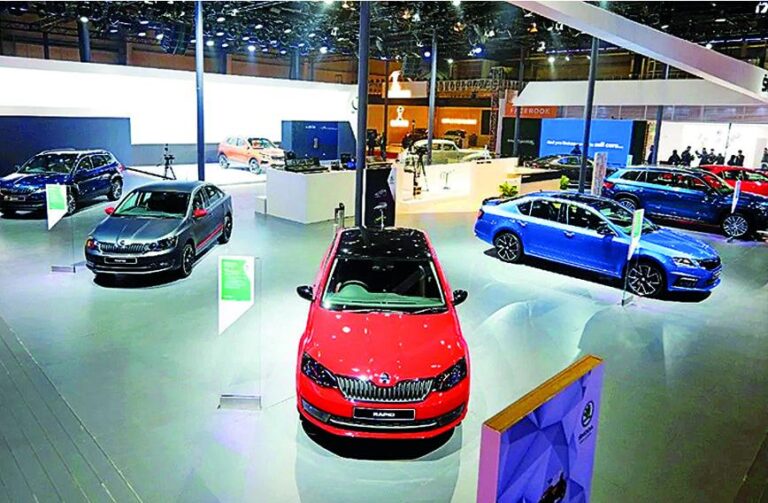
The status economy
WHERE do you live? This question, asked by a fellow guest at a Delhi party, can determine the flow of any further conversation. If the answer is East Delhi or Karol Bagh, it is an instant conversation-stopper, and the guest will immediately gravitate elsewhere. If your response is Golf
read more...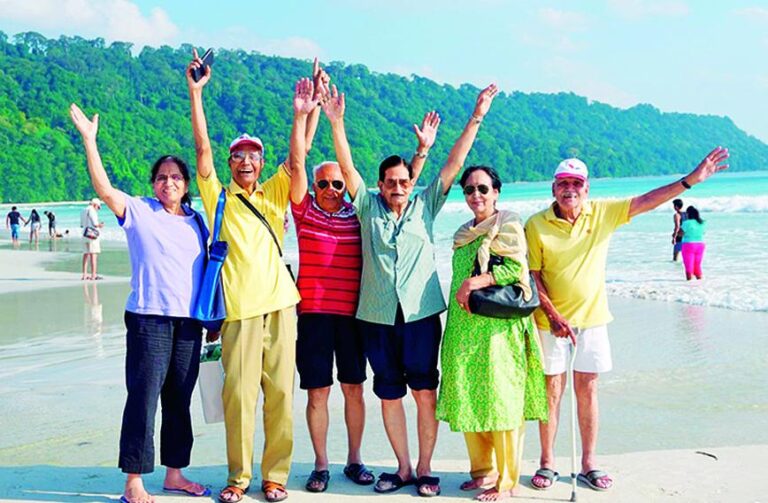
The leisure economy
ARE you free? This oft-asked question is prone to multiple interpretations. Human rights activists will understand it in the context of larger freedoms; managers in offices will assume it means availability to speak, or to do something; others may have different answers, depending on context and questioner. To most,
read more...
India’s diamond
THE headline may lead you to think that this is about the diamond jubilee last year of India’s independence, or the forthcoming one of the Republic. This is not about either of these milestones, nor about the famous Kohinoor. It is about two other diamonds that, looking ahead, are
read more...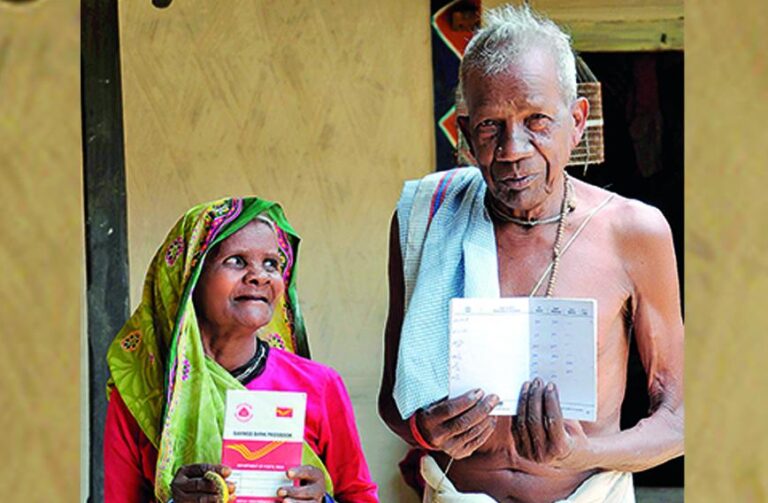
Those left behind
DESPITE the ambiguity that the heading might lead to, this is not about the Communist or other Leftist parties as the force behind a government, as in UPA-1. Here, we mean those literally left behind amidst population shifts. Previous editions of this column have pointed to internal migration —
read more...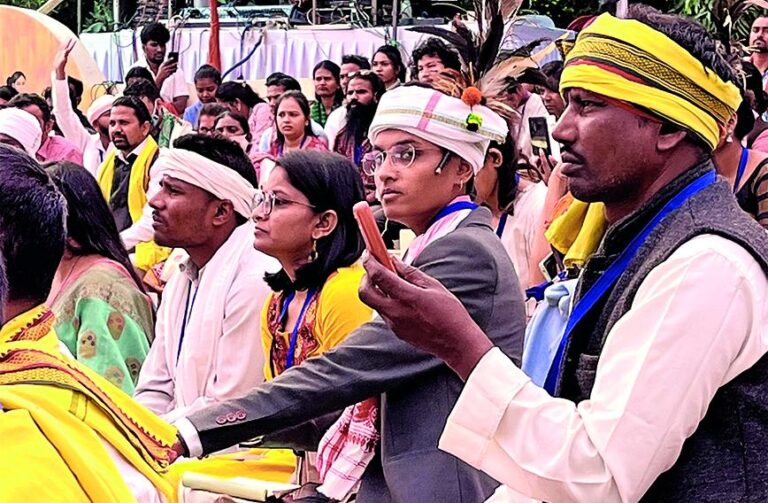
Diversity is strength
ON occasion, most recently in the US, Prime Minister Narendra Modi has spoken with pride about the diversity of India. It is, indeed, wide-ranging in all dimensions: from the geography, climate, flora and fauna to — most importantly — the people. In the last aspect, we are probably amongst
read more...
The pain of one
THERE is a new affliction across much of the world, especially in the West. Unlike Covid or other viruses, it is not infectious, with symptoms that are not as immediately obvious; it creeps in insidiously, has been endemic for quite some time, and there is no vaccination yet available. It
read more...
With AI, a zero-sum game?
TECHNOLOGICAL singularity, an idea first advanced by mathematician John van Neumann, is when technological growth becomes self-sustaining, irreversible, and practically beyond the control of humans. The years 2030 or 2045 represent two extremes of estimates of when “singularity” will happen. Scientist Stephen Hawking expressed fears that AI (artificial intelligence)
read more...
Will India seize the moment?
THE tagline of the rap song “Apna time aayega” (My time will come) from the recent Hindi film, The Gully Boys, could equally have been the refrain of India itself for many decades. A left-handed compliment is that India has for long been a country with great potential — and continues
read more...
Food fashions and the future
A much-used slogan is roti, kapda, makaan. Of these, food is a survival necessity, and has long been on top of the agenda. The vagaries of the weather — now worsened by climate change — with their impact on crops, create uncertainty, making food a perennial point of concern. Irrigation
read more...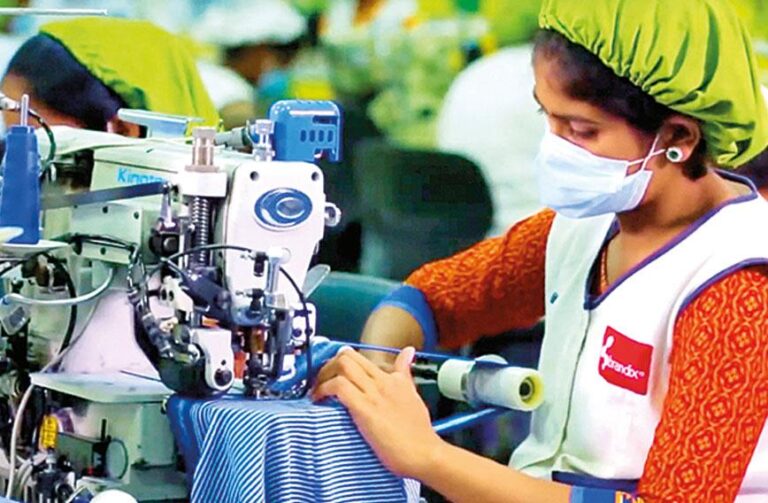
What stole my job?
LAY-OFFS, unemployment, moonlighting and gig work, shortage of talent; amidst issues and contradictions, what is happening to jobs? People around the world are worried: many about automation eating up jobs, others (as in Germany) about shortages of workers. In India too, some sectors bemoan inadequate availability of people with
read more...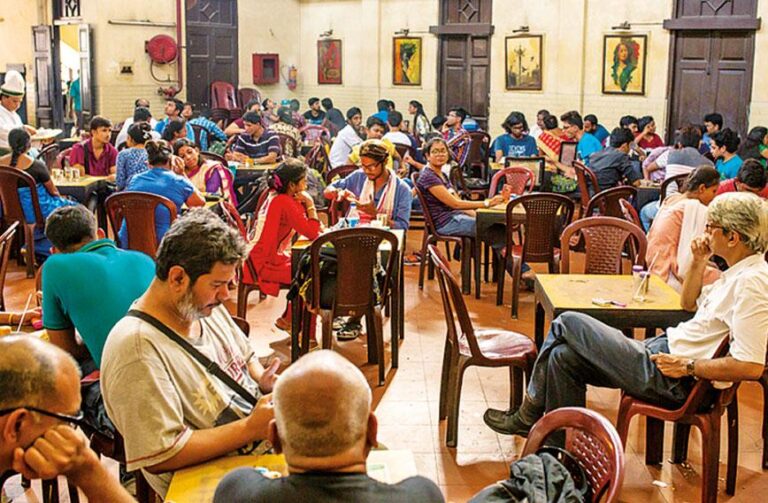
Name or number?
WHO am I? is a deep philosophical question, one which can take a lifetime of pondering. Humans are prone to ask such profound questions; so, after 7.5 million years of computing by the Deep Thought super computer, we have the response: “The ultimate answer to life, the universe and
read more...
Decentralize or drown
THE recent flooding in Bengaluru, the IT capital of India and amongst the most important global hubs for the tech industry, has once again highlighted the sorry state of urban infrastructure in the country. Equally, it has exposed the inability to foresee and forestall critical problems, so as to
read more...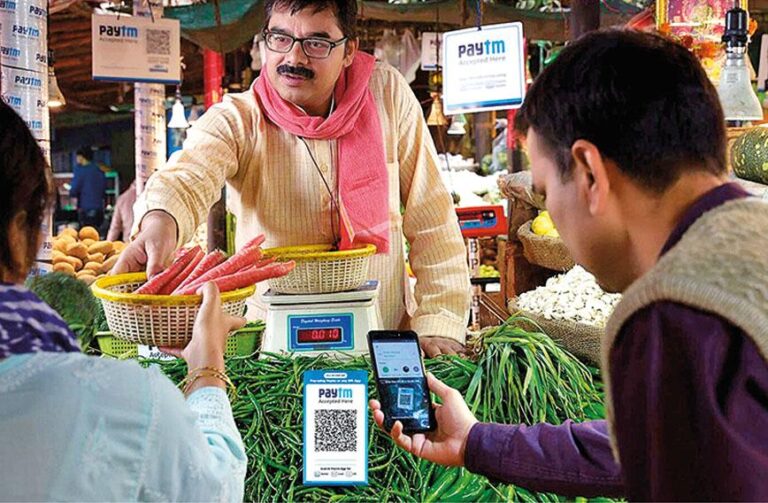
On a digital high
Economies around the world are going through a major transition. In some, this has been slow and incremental, evolving over decades; a few are seeing revolutionary change. As Lenin said, “There are decades where nothing happens; and there are weeks where decades happen.” In India, not just decades, but for
read more...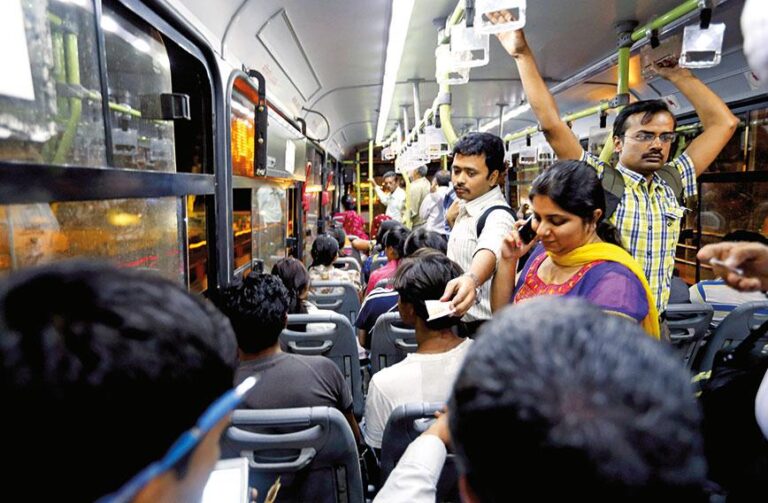
Mobility matters
CRUCIAL meeting to get to, and stuck in a traffic jam? That is when you realize how much mobility matters. If in a non-airconditioned bus or in an autorickshaw, the smell of noxious exhaust fumes reinforces the menacing message of the pollution havoc wrought by motorized vehicles in our
read more...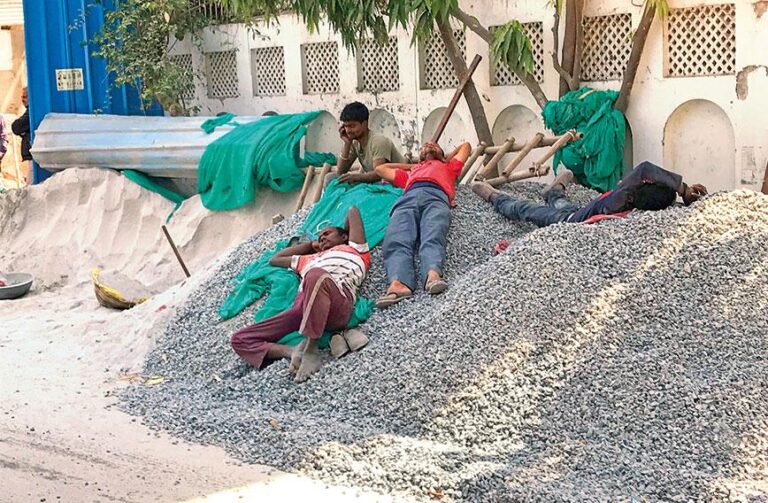
Creating urban harmony
THEFTS. Street crime. Dacoities. Drugs. Gang wars. No, this is not the ad blurb for a new Bollywood potboiler; rather, it is a possible scenario of urban India in the next few years. Last month, this column had discussed the certainty of a large influx of job-seekers, mainly from
read more...
Demography-driven migration
DEMOGRAPHY has, for some years now, been recognized as a driver of various key parameters of a nation. A country with rapid population growth, for example, could benefit for many years from a “demographic dividend”. This is because the ratio of working age people to dependants (the non-working age
read more...
The future wars
THE war in Ukraine has busted many a myth. Most have felt, for some years now, that the days of direct military confrontation between nations are over and that national security will mainly be a matter of handling possible terrorist strikes and cross-border incursions limited in frequency, duration and
read more...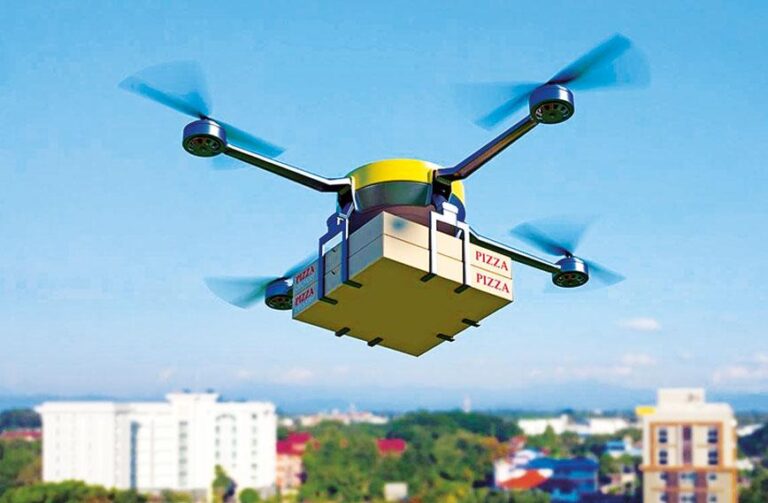
Reason to wonder and worry
IN the years ahead, technology will affect and change our lives even more than it has in the past. Last month, this column briefly covered many aspects. Given its pervasiveness and impact, we continue to look at technology this time as well. In the coming years, technology will be
read more...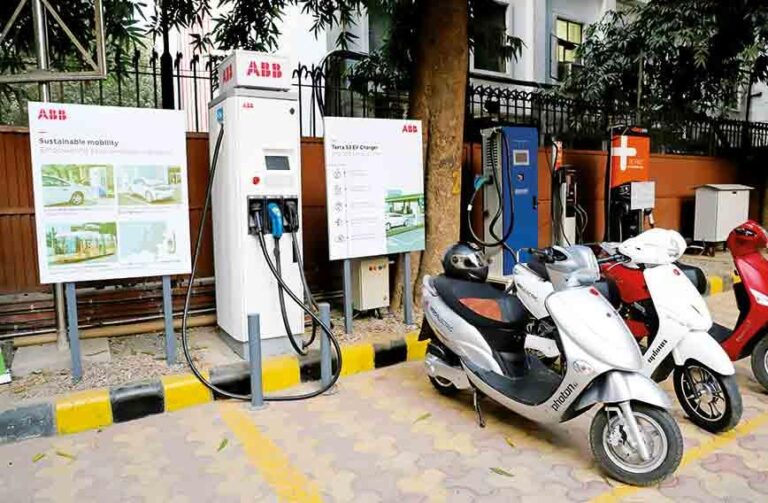
2030 can be India’s techade
ELECTIONS in many states this year and for the Lok Sabha in 2024; the 75th anniversary of Independence and of the Republic; the biggest country; the third largest global economy — these and other important milestones mark this decade, culminating in the 80th anniversary of the Republic in 2030.
read more...
Managing your robots
How well do you get along with your co-workers? Certainly, many of us have gone through spells of frustration, when peers do not cooperate or your team members work inefficiently. A key junior taking a day off at a crucial juncture, that too with no advance intimation, can raise
read more...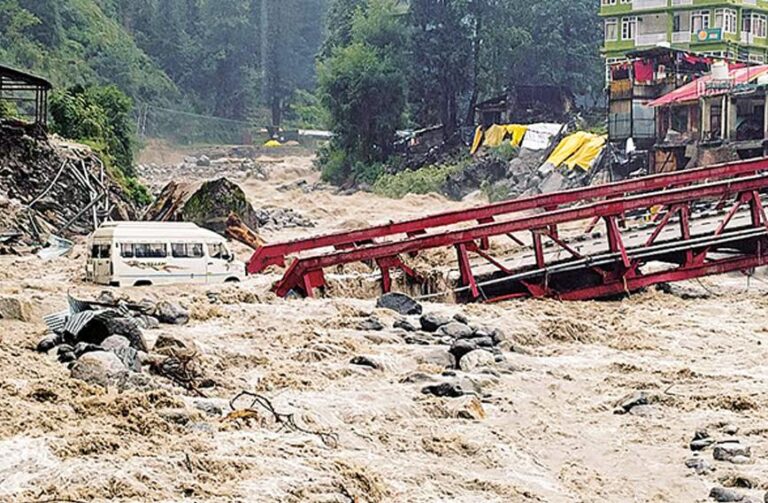
A Himalayan tragedy
WE need to review our policy if current development models are aggravating these issues. The Himalayas’ situation is a warning bell.” Concerned about environmental degradation, the speaker linked this to “faulty global development models and materialist and consumerist approaches”. These strong words, opposing government policies like broadening roads in the
read more...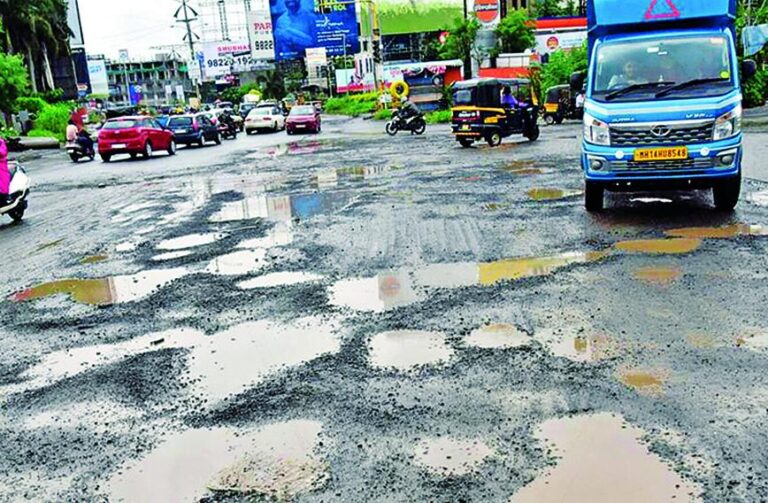
Stuck in a ditch
I may lose a battle but I will never lose a minute, said Napoleon Bonaparte. Nowhere should his aphorism resonate more than in developing countries like India, where every moment lost counts for a great deal because we have so far to go to reach the goals of development:
read more...
In a volatile world
VUCA1, an acronym from times past, may have been considered — like other such fashionable and ephemeral buzzwords — to have long exceeded its half-life and set to cede space to some other smart formulation of alphabets. Yet, the reality is that we live in a world that is
read more...
Earth has a new species
In the 4.5-billion-year history of Earth, humans (homo sapiens) are relatively new, appearing only some 300,000 years ago. Evolving over millennia, through various predecessor species, the process has so far been biological and slow. Through this period, various species have been dominant, with those higher up the food chain
read more...
Invest in small towns
I may lose a battle but I will never lose a minute, said Napoleon Bonaparte. Nowhere should his aphorism resonate more than in developing countries like India, where every moment lost counts for a great deal because we have so far to go to reach the goals of development:
read more...
Connecting civic dots in Pune, Bengaluru, Chennai
India is a rapidly urbanising country. Its 373 million urban population in 2010 is expected to touch 814 million by 2050. The built-up surface area used in urban India, estimated at 46,600 sq km in 2010, is expected to quintuple to over 258,000 sq km to accommodate the doubling in
read more...