
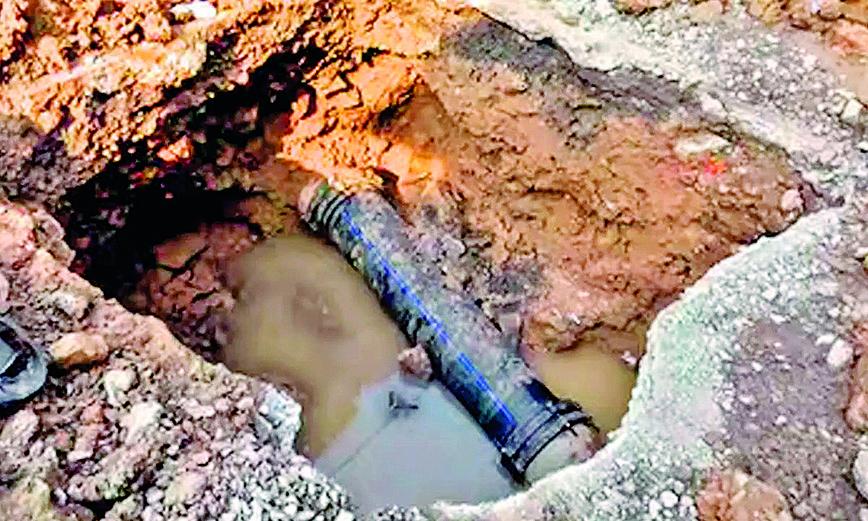


The recent water contamination crisis in Indore has damaged its reputation as India’s cleanest city. At least 15 deaths are linked to consuming contaminated drinking water in just over two weeks, while local media reported 21 deaths. The laboratory tests confirmed faecal contamination in the municipal water supply, including bacteria found in sewage containing human excreta. This shows long-standing failures in public water supply systems, their safety and monitoring. Periodic water quality monitoring, contamination risk assessment and corrective actions are essential to prevent waterborne diseases, but our public water utilities and municipalities have failed to deliver. According to UN-Water, approximately 3.5 million people die each year globally due to inadequate water supply, sanitation and hygiene.
Indore was once a riverside village, which settled on the banks of the Saraswati — a tributary of the Kshipra river. The Kshipra originates at Ujjaini, on the eastern side of Indore district. In its upper stretches, the river is seasonal with sluggish flow. Indore was a halt for pilgrims travelling between two religious cities — Ujjain on the banks of the Kshipra river and Omkareshwar on the banks of the Narmada river.